Why Bolts Loosen in Vibration: 5 Common Causes And Practical Prevention Methods
Dec 17, 2025
Bolted joints are widely used across automotive, industrial, and structural applications. However, bolt loosening under vibration remains a frequent and costly issue, often leading to joint failure, repeated maintenance, or unexpected downtime. Understanding the causes of preload loss and applying the right prevention methods is essential for improving long-term reliability and system performance.
1. Insufficient Initial Preload
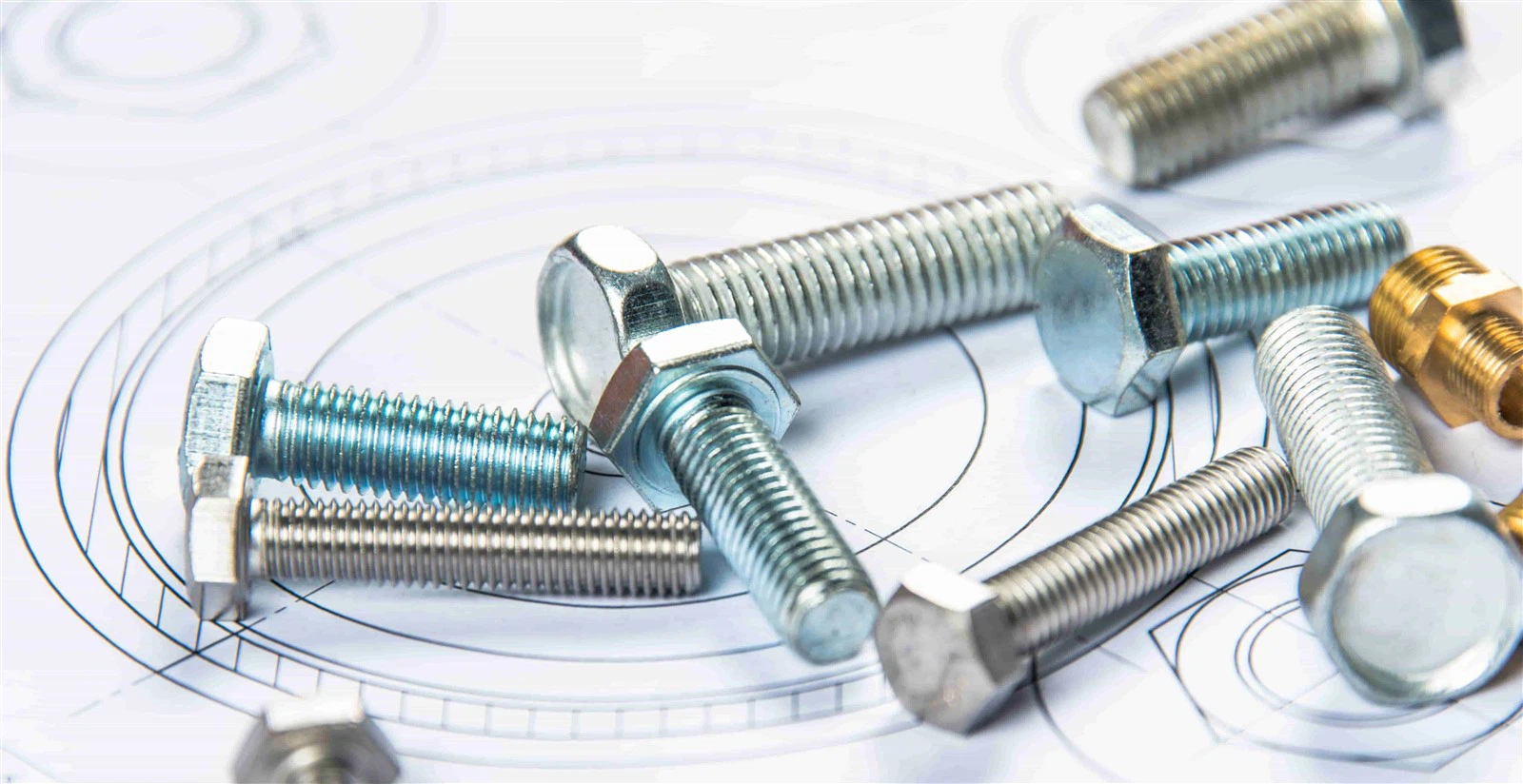
A bolt that is not tightened to the correct preload cannot generate enough clamping force to resist vibration. Insufficient preload reduces friction between joint surfaces, allowing micro-movements that gradually result in loosening. Accurate torque control and proper tightening methods are critical at the assembly stage.
2. Surface Embedment and Material Settling
After installation, slight deformation can occur at the contact surfaces between fasteners and joint materials. This embedment effect leads to preload loss over time, especially in joints involving coatings, soft materials, or uneven surfaces. Consistent material quality and controlled surface finishes help minimize this risk.
3. Transverse Movement Under Dynamic Loads
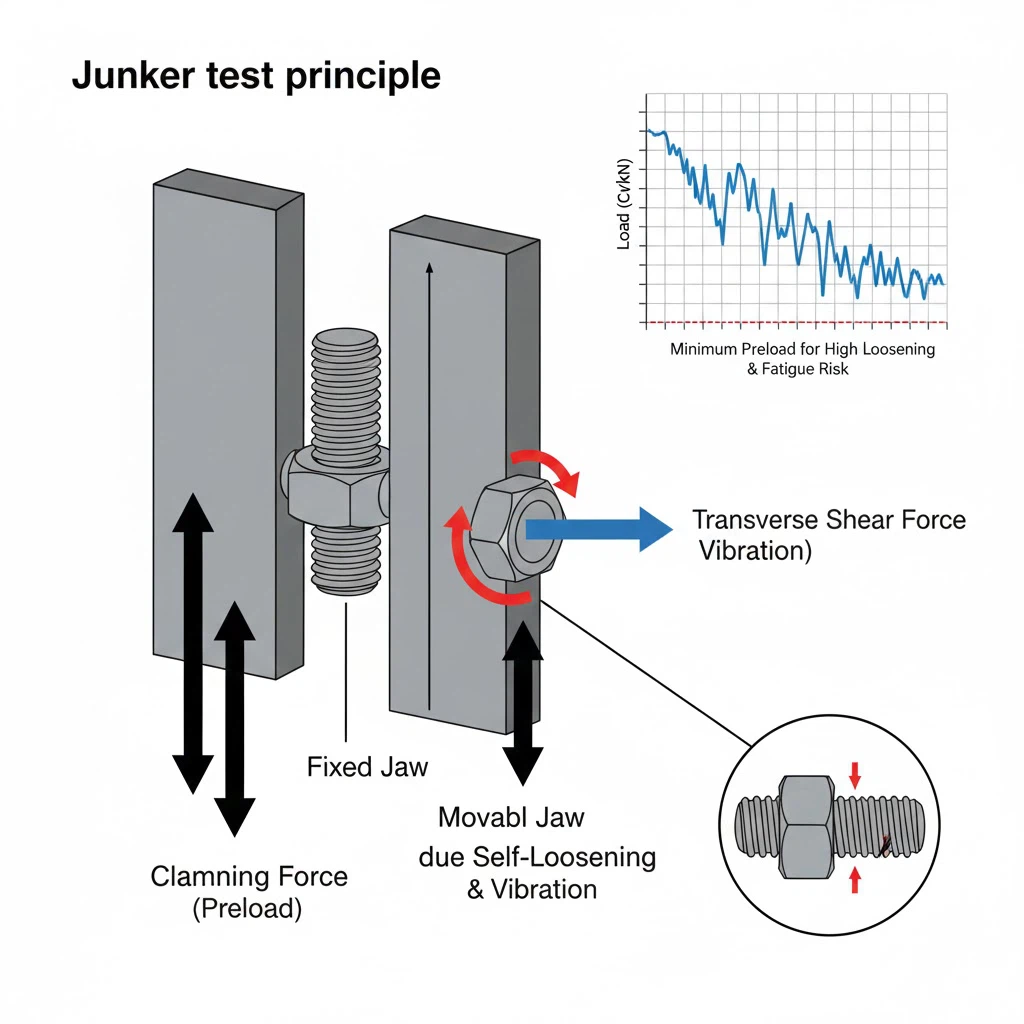
Vibration often introduces transverse forces that act perpendicular to the bolt axis. Repeated lateral movement is one of the primary drivers of self-loosening, as it progressively overcomes friction and allows rotational back-off. Joints exposed to cyclic or dynamic loads require fastening solutions designed for such conditions.
4. Improper Washer or Locking Method
Standard fastening alone may not be sufficient in environments prone to vibration. Using unsuitable washers or locking methods can significantly reduce joint stability. Proper selection of washers and proven anti-loosening techniques plays an important role in maintaining preload over time.
5. Inappropriate Fastener Selection
Fastener material, strength grade, thread design, and surface treatment directly affect performance under vibration. Selecting fasteners without considering the operating environment, load conditions, or assembly requirements increases the likelihood of early failure.
Practical Methods to Reduce Bolt Loosening
Effective prevention of vibration-induced loosening requires a systematic approach:
- Applying accurate preload and controlled tightening processes
- Using suitable washers or locking solutions for dynamic applications
- Selecting fasteners with appropriate material strength and surface finishes
- Ensuring dimensional consistency and quality stability across production batches
How AYA Supports Reliable Fastening Solutions
AYA provides engineered fastening solutions designed to perform reliably in vibration and dynamic load environments. With controlled material selection, precision manufacturing, and a wide range of surface treatment options, AYA supports stable preload performance across demanding applications. From standard fasteners to customized solutions, AYA helps optimize joint reliability, reduce maintenance risks, and support long-term assembly performance.
Conclusion
Bolt loosening under vibration is rarely caused by a single factor. It is the result of preload control, joint design, fastener selection, and manufacturing consistency working together. By understanding these causes and applying proven fastening practices, long-term joint stability and operational reliability can be significantly improved.