How EU Steel Trade Policies Are Reshaping Fastener Sourcing in 2026
May 14, 2026
Europe is strengthening steel trade regulations and accelerating low-carbon manufacturing policies. These changes are beginning to affect fastener sourcing, material costs, supply stability, and compliance requirements across industrial sectors.
According to the European Council and German steel industry association WV Stahl, new EU steel protection measures and green steel initiatives are reshaping industrial supply chains in 2026.
Why Europe Is Tightening Steel Trade and Import Regulations
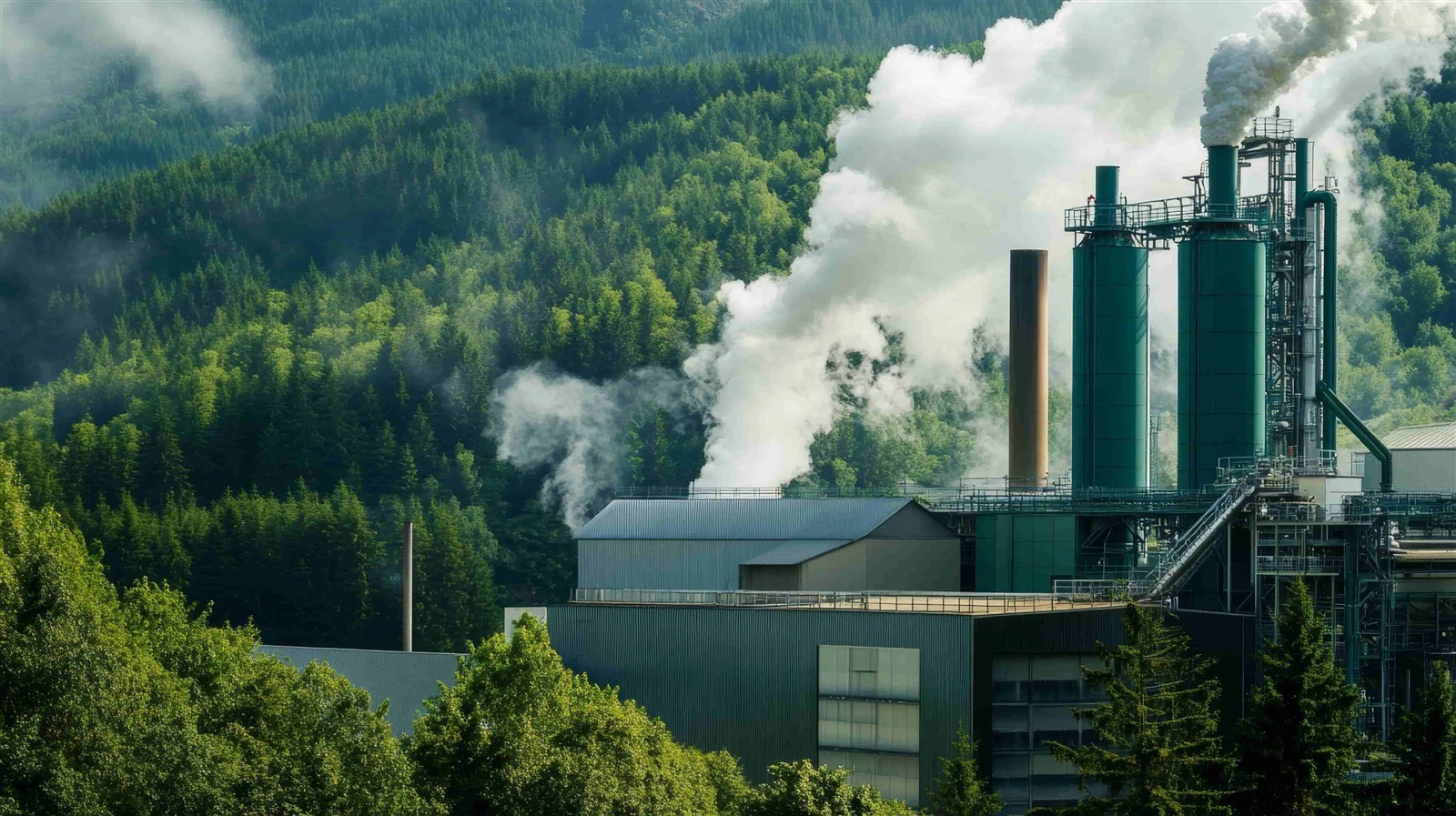
Europe is increasing steel trade controls in response to global overcapacity, supply chain instability, and decarbonization goals.
Recent policy changes include:
- Expanded steel safeguard measures
- Stronger CBAM implementation
- Increased focus on low-carbon material sourcing
- Greater traceability requirements for industrial products
These policies are designed to protect European manufacturing while supporting the transition toward sustainable production.
For industrial buyers, this means sourcing decisions are becoming more complex and more strategically important than before.
How Steel Policy Changes Affect Fastener Costs and Lead Times
Steel policy adjustments are directly affecting industrial fastener sourcing across Europe.
As raw material prices fluctuate and import controls tighten, manufacturers are facing growing uncertainty around:
| Supply Chain Issue | Impact on OEM Projects |
| Steel price volatility | Increased procurement cost |
| Longer shipping cycles | Delayed production schedules |
| Import restrictions | Reduced sourcing flexibility |
| Supplier instability | Higher operational risk |
For projects relying on customized fastening systems, delays in material availability can significantly affect production timelines.
Many OEMs are now prioritizing suppliers that can provide:
- Stable manufacturing capacity
- Flexible production scheduling
- Faster engineering communication
- Long-term supply consistency
This shift is especially visible in automotive, renewable energy, and heavy machinery sectors, where project reliability is critical.
The Growing Importance of Material Traceability and Compliance
As EU regulations become stricter, manufacturers are placing greater emphasis on material traceability and compliance documentation.
Key requirements increasingly include:
- Material certificates
- Heat treatment records
- Surface treatment documentation
- Inspection reports
For OEM manufacturers, traceability helps improve supplier control, reduce quality risks, and support long-term compliance requirements.
Why European OEMs Are Moving Toward Resilient Custom Fastener Supply Chains
European OEMs are increasingly prioritizing resilient supply chains over low-cost sourcing models.
Custom fastener solutions help manufacturers improve:
- Product reliability
- Assembly efficiency
- Corrosion resistance
- Supply stability
This approach allows engineering teams to reduce operational risk while supporting long-term production consistency.
How Custom Fastener Suppliers Help Reduce Supply Risk
Reliable custom fastener suppliers provide more than manufacturing capacity. They also support engineering evaluation, DFM optimization, and stable quality control.
Key supplier capabilities include:
| Supplier Capability | OEM Benefit |
| Engineering support | Reduced design risk |
| Flexible production | Better supply stability |
| DFM evaluation | Faster project readiness |
| Stable quality systems |
|
Early collaboration helps manufacturers reduce delays and improve overall project reliability.
Request Reliable Fastener Solutions for European Projects
AYA Fasteners supports European manufacturers with:
- Custom fastener manufacturing
- Material traceability support
- DFM engineering evaluation
- Stable global supply capability
If your project requires reliable fastening solutions for industrial or OEM applications, send us your drawings or technical requirements for engineering review.