Why Are China's Self-Tapping Screws Becoming Increasingly Popular in Brazil?
Jul 30, 2024
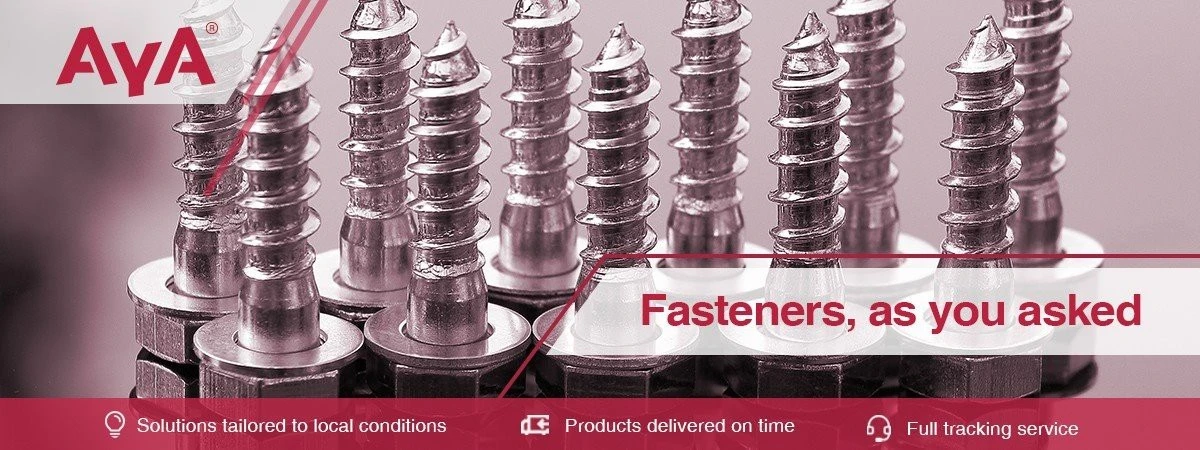
Firstly, the Chinese self-tapping screw has rapidly captured the Brazilian market with their competitive price. Compared to both the local production and importation of self-tapping screws from other countries, Chinese manufacturers always offer the self-tapping screws at a very attractive prices, aiding Brazilian businesses in cost control. This price advantage stems from the lower labor costs, the large-scale production, and the efficient manufacturing processes of the chinese manufacturer, which ensure the high-quality fasteners at competitive prices.
In addition to competitive prices, the quality of Chinese-made self-tapping screws has significantly improved. In recent years, the Chinese manufacturers have invested heavily in upgrading equipment, selecting better materials, refining production processes, and enhancing quality control. For example, the top brand of Chinese Fasteners, AYA fasteners, mainly choose the prime materials from BoSteel, TangSteel to keep the high quality standard of the self-tapping screws. These great efforts have greatly increased the reliability and durability of fasteners, earning the trust of Brazilian customers and encouraging more Brazilian companies to choose Chinese products.
China's strong manufacturing capabilities and comprehensive supply chain system are also key reasons for the popularity of self-tapping screws in Brazil. China boasts the world's most complete manufacturing supply chain, from raw material procurement to production and logistics, all managed efficiently. The technical management is advanced in digitalization to make each order and delivery accurately on-time. This stability ensures that the Brazilian market's demand for self-tapping screws can be met swiftly, avoiding supply issues. Therefore, The chinese fastener supplier, AYA Fasteners, could gain the great reputation among the south america market, taking good advantage of the industrial supply chain.
Sino-Brazilian Political and Economic Cooperation
China is Brazil's largest trading partner. As two BRICS countries, the Brazilian government has been considering joining China's Belt and Road Initiative (BRI). This decision has rooted in the deepening economic and trade cooperation between China and Brazil. Over the years, China and Brazil have engaged in extensive cooperation in various fields, especially in infrastructure construction and industrial manufacturing. The self-tapping screw is wildly needed in the development. This cooperation not only boosts trade but also fosters mutual trust and a willingness to collaborate among fasteners businesses.
Adapting to Local Demand
Chinese manufacturers also focus on customizing and optimizing fasteners to meet the specific needs of the Brazilian market in the automotive industry. By thoroughly understanding the requirements of Brazilian customers, Chinese companies can provide fastener products better suited to the local application environment with the design technology. This localized product strategy further enhances the competitiveness of Chinese fasteners in the Brazilian market.
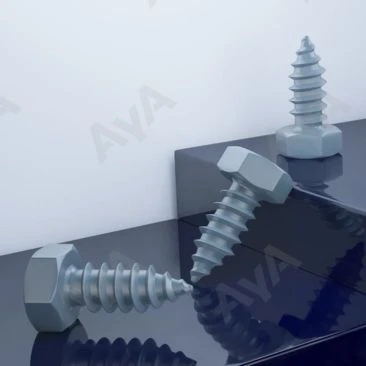
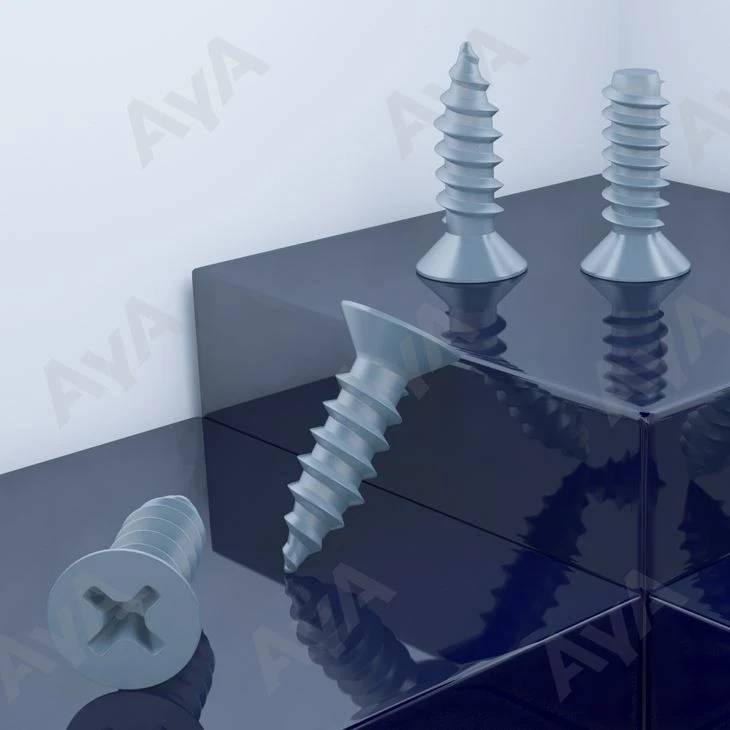


As Brazil's economy continues to develop and infrastructure projects advance, the demand for self-tapping screws and other fasteners is expected to grow. Chinese manufacturers, with their price advantages, quality improvements, stable supply chains, and adaptability to local demand, are poised to expand their market share further and become key partners in Brazil's construction and manufacturing sectors.
FAQ
Q: 1. What are self-tapping screws?
Q: 2. What is the difference between self-drilling screws and self-tapping screws?
Q: 3. What are the commonly used self-tapping screws?
Q: 4. What areas are self-tapping screws commonly used in?
Q: 5. What are some other commonly used fasteners in Brazil?