


How Can Automotive Manufacturers Reduce Fastener Supply Chain Risks?
Nov 18, 2026

The automotive supply chain depends on coordination between manufacturers, component suppliers, logistics providers, and procurement teams. A disruption at one point can affect production schedules, inventory levels, and delivery commitments.
For automotive manufacturers, effective supply chain risk management means looking beyond immediate purchasing costs. Supplier quality, production capacity, delivery reliability, and technical responsiveness all influence whether a supply chain can support stable manufacturing.
Fasteners may represent a relatively small part of a vehicle's total component cost, but inconsistent quality or delayed deliveries can still interrupt assembly operations. Choosing and managing reliable auto suppliers is therefore an important part of reducing operational risk.
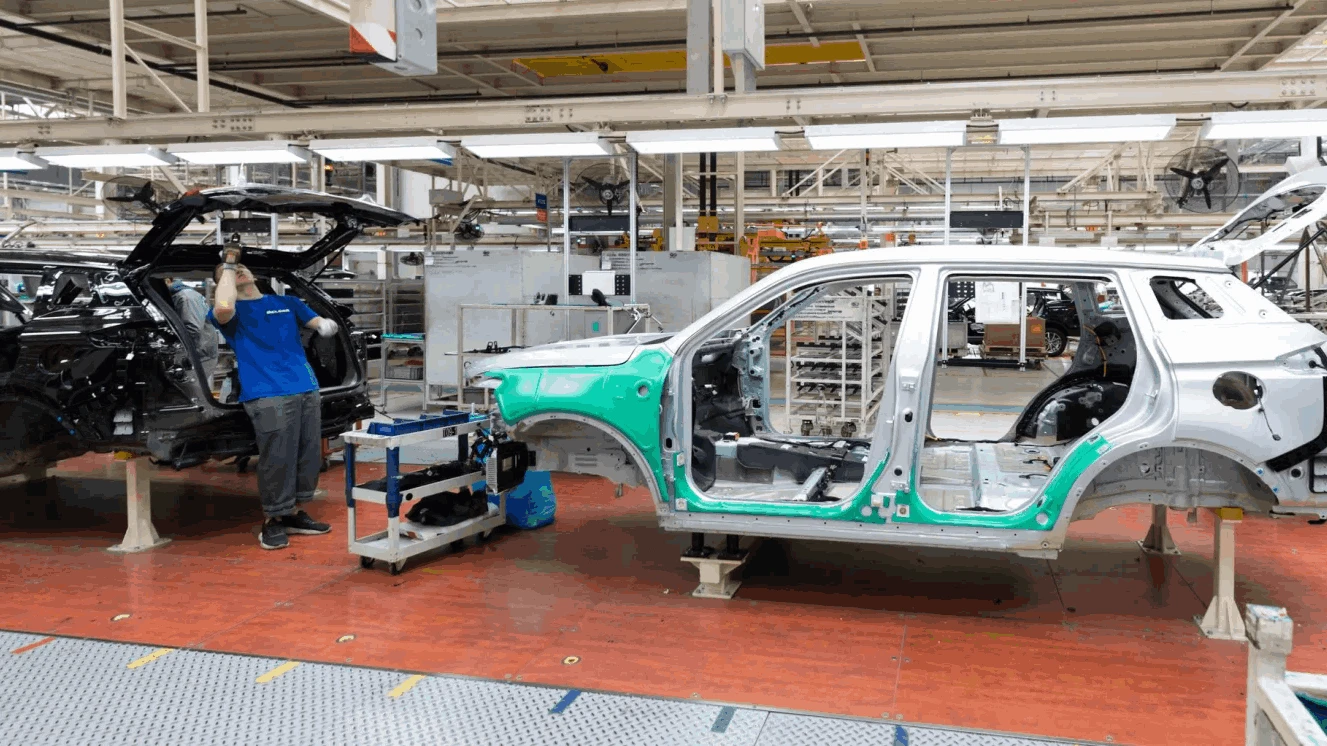
1. Where Do Automotive Supply Chain Risks Come From?
Supply chain risks can emerge at different stages, from sourcing raw materials to delivering final components. Some stem from external market conditions, while others relate to supplier capabilities and internal management.
For automotive manufacturers, several areas deserve particular attention.
Supplier Dependency and Limited Sourcing Options
Relying heavily on a single supplier can create vulnerabilities. If that supplier experiences production interruptions, capacity constraints, or financial difficulties, manufacturers may have limited alternatives.
This is especially relevant for components with specific material, dimensional, or performance requirements. Qualifying an alternative supplier may take time because samples, technical reviews, and quality validation are often required.
Manufacturers should evaluate whether critical components have suitable alternative sources and understand how long a supplier transition would take.
Quality Inconsistency Across Production Batches
A supplier may deliver acceptable samples but struggle to maintain the same quality during mass production.
For automotive fasteners, dimensional variation, thread defects, coating inconsistency, and unstable mechanical properties can affect assembly performance and product reliability.
The risk is not limited to defective components. Variation between batches may also affect assembly conditions, inspection requirements, and production efficiency.
Manufacturers should therefore look beyond initial sample approval. Important checks include:
- Dimensional inspection and conformity to drawings
- Material specifications and traceability
- Thread quality and compatibility
- Surface treatment consistency
- Batch inspection records and nonconformance handling
A supplier's ability to maintain consistent production quality is just as important as its ability to produce a compliant sample.
⊙Related reading: Why Do Fasteners Fail During Assembly? 6 Root Causes Engineers Should Check
Unstable Lead Times and Production Capacity
A supplier's quoted lead time does not always reflect its actual ability to meet changing production requirements.
Unexpected demand increases, tooling limitations, material shortages, and production bottlenecks can all affect delivery performance. When critical components arrive late, manufacturers may face schedule adjustments, additional inventory costs, or production interruptions.
Procurement teams should assess a supplier's available capacity, production planning, and ability to communicate potential delivery changes early.
Raw Material and Surface Treatment Risks
Material availability and price fluctuations can affect sourcing decisions, while changes in material batches or surface treatment processes may influence component performance.
For fasteners, material grade, strength requirements, corrosion resistance, and coating characteristics need to match the application.
For example, selecting a surface treatment only by its corrosion protection rating may overlook other requirements, such as friction behavior and assembly torque. These factors should be considered together during technical evaluation.
⊙Related reading: A Guide to Bolt Surface Treatments
2. How Should Manufacturers Evaluate Auto Suppliers?
A reliable supplier evaluation process should combine commercial, technical, and operational criteria. The lowest quotation does not necessarily represent the lowest total sourcing risk.
| Evaluation Area | What to Check | Why It Matters |
|---|---|---|
| Quality management | Inspection processes, traceability, batch consistency | Reduces quality variation |
| Production capacity | Equipment, tooling, available capacity | Supports demand changes |
| Delivery performance | Lead-time stability, planning, communication | Protects production schedules |
| Engineering support | Drawing review, technical feedback, DFM | Identifies potential issues earlier |
| Material control | Material specifications and traceability | Supports component consistency |
| Supply continuity | Alternative sourcing and contingency planning | Reduces disruption exposure |
For automotive procurement teams, supplier assessment should also continue after qualification. Regular performance reviews can help identify early warning signs before they become production problems.
3. The Role of Fastener Suppliers in Supply Chain Risk Management
Fasteners are used across different automotive assemblies, and their requirements vary depending on joint design, loading conditions, materials, and operating environments.
This makes supplier capability an important consideration during sourcing.
A capable fastener supplier should be able to evaluate customer drawings and technical specifications, identify manufacturing considerations, and provide feedback when potential production or assembly issues are found.
Early DFM collaboration can help identify concerns related to dimensions, tolerances, materials, and surface treatments before production begins. This reduces the likelihood of avoidable revisions during later project stages.
Manufacturers should also consider whether a supplier can maintain consistent production quality and communicate effectively throughout the project lifecycle.
Learn more about custom fasteners and AYA's automotive fastening solutions.
4. Practical Steps to Strengthen Automotive Supplier Reliability
Reducing supply chain risks requires ongoing management rather than a one-time supplier selection decision.
Automotive manufacturers can take several practical steps:
- Review critical suppliers regularly: Monitor quality, delivery, capacity, and responsiveness instead of relying only on initial qualification results.
- Identify single-source exposure: Determine which components have limited sourcing alternatives and prioritize contingency planning.
- Validate components before production: Confirm that samples meet drawing specifications and application requirements before moving into mass production.
- Improve demand communication: Share forecast changes and project schedule updates early enough for suppliers to adjust production plans.
- Maintain technical communication: Involve suppliers in drawing reviews and manufacturing discussions when design or specification changes occur.
These measures help procurement, engineering, and supplier quality teams identify risks earlier and make better sourcing decisions.
Building a More Resilient Automotive Supply Chain
A resilient automotive supply chain is not simply one with more suppliers. It depends on selecting suppliers that can consistently meet technical requirements, maintain production quality, and support delivery commitments.
For fastener sourcing, this means evaluating manufacturing capability, quality controls, material traceability, engineering communication, and supply reliability together.
AYA Fasteners evaluates customer drawings and technical specifications to support customized fastening requirements for automotive and industrial applications. By considering manufacturability and production requirements early, manufacturers can make more informed sourcing decisions and reduce avoidable supply risks.
Looking for a reliable fastener supplier for your automotive program? Send AYA your drawings or specifications to discuss manufacturing feasibility, quality requirements, and supply needs.


