


Fastener Material Selection Guide: Carbon Steel Vs. Stainless Steel Vs. Alloy Steel
Oct 28, 2026

Choosing the right fastener material affects more than the purchase price. It influences mechanical strength, corrosion resistance, service life, and performance under actual operating conditions.
Carbon steel, stainless steel, and alloy steel are widely used in fastening applications, but each offers different advantages. The right choice depends on the joint design, required mechanical properties, surrounding environment, and manufacturing specifications.
This guide compares the three material options and explains what engineers and purchasing teams should evaluate before specifying or sourcing fasteners. Explore AYA's fastener product range to see how material selection fits into a broader fastening specification.
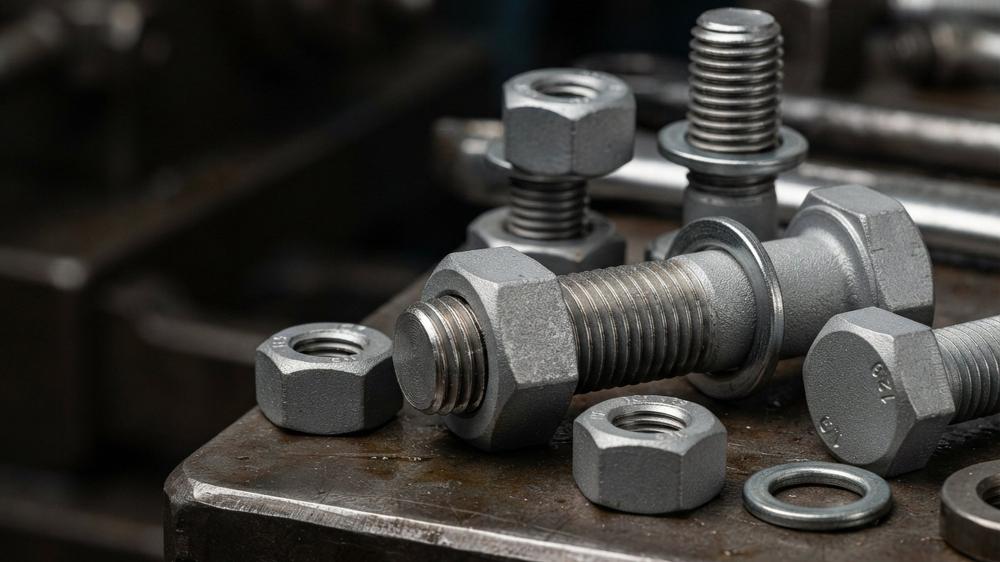
1. What Are the Main Materials Used for Fasteners?
Fastener materials are selected according to the loads they must withstand, the environment in which they operate, and the requirements of the finished assembly.
Carbon steel is widely used in general industrial fastening. Stainless steel is often selected when corrosion resistance is important. Alloy steel can provide the mechanical properties needed for demanding load-bearing applications, depending on its composition and heat treatment.
2. Carbon Steel vs. Stainless Steel vs. Alloy Steel
The three material options serve overlapping but different purposes. The following comparison provides a starting point for evaluating their suitability.
| Evaluation factor |
Carbon steel |
Stainless steel |
Alloy steel |
|---|---|---|---|
|
Main consideration |
Versatility and cost efficiency |
Corrosion resistance |
Mechanical properties tailored to demanding applications |
|
Strength potential |
Varies by grade and heat treatment |
Varies by stainless grade and condition |
Can achieve high strength through appropriate composition and heat treatment |
|
Corrosion resistance |
Generally needs suitable protection in corrosive environments |
Generally good, depending on grade and environment |
Depends on composition and any protective treatment |
|
Common considerations |
Coating, strength grade, and operating environment |
Stainless grade, chloride exposure, and galling risk |
Heat treatment, mechanical properties, and process control |
|
Typical applications |
Machinery, general equipment, and structural assemblies |
Outdoor equipment, marine-related environments, and corrosion-sensitive assemblies |
High-load machinery, automotive components, and demanding mechanical joints |
These are general tendencies, not guarantees. The exact performance of a fastener depends on its specification, manufacturing condition, surface treatment, and service environment.
Carbon Steel: A Versatile Option for General Applications
Carbon steel fasteners are commonly used in machinery, equipment, construction, and many general industrial assemblies. They offer a broad range of strength grades and can be supplied with different surface treatments to meet specific requirements.
Their main limitation is corrosion resistance. Unprotected carbon steel can rust when exposed to moisture and oxygen, while coatings can improve protection depending on the environment and required service life.
Carbon steel may be suitable when the design requires a defined strength level and the corrosion-protection system can meet operating conditions. The material grade and coating should be specified separately.
Stainless Steel: When Corrosion Resistance Matters
Stainless steel contains chromium, which enables the formation of a passive surface layer that helps resist corrosion. Its performance depends on the stainless grade and the environment in which the fastener is used.
Different stainless grades provide different levels of corrosion resistance and mechanical performance. For example, a grade suitable for ordinary outdoor exposure may not be appropriate for prolonged exposure to chlorides or aggressive chemicals.
Stainless steel also requires attention to assembly conditions. Thread galling can occur during installation, particularly under certain combinations of material, surface condition, lubrication, and tightening speed.
For applications exposed to moisture or corrosive substances, material selection should consider both the fastener and the materials it contacts.
Alloy Steel: For Demanding Mechanical Requirements
Alloy steel contains additional alloying elements that influence properties such as hardenability, strength, toughness, and wear resistance. With suitable heat treatment, certain alloy steels can meet demanding mechanical requirements.
They are commonly considered for high-strength bolts and components exposed to significant mechanical loads. However, alloy steel is not automatically stronger than every carbon steel fastener. The final properties depend on the specific grade, heat treatment, dimensions, and applicable standard.
Corrosion protection must also be evaluated. High-strength alloy steel fasteners may require particular attention to coating selection and hydrogen-embrittlement risk where relevant.
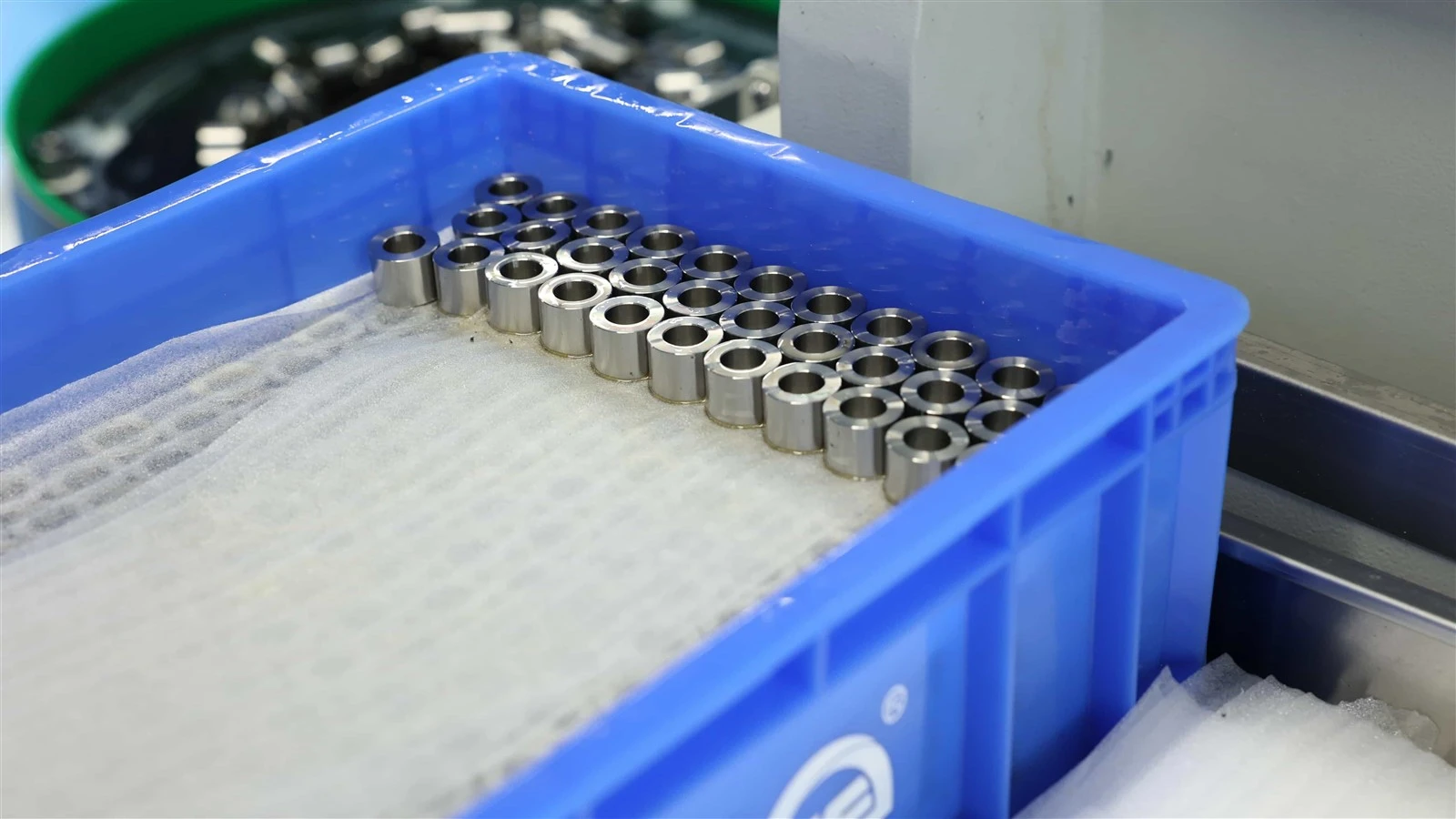
3. How to Select Fastener Materials for Real Applications
Material selection should begin with the conditions the fastener must withstand, not with a preferred material name.
Load and mechanical requirements: Identify the required tensile, shear, fatigue, and clamping performance. Confirm the specified property class or mechanical requirements and ensure the fastener is compatible with the joint design.
Operating environment: Consider moisture, salt, chemicals, temperature, and expected service life. Stainless steel may be appropriate for corrosion-sensitive applications, while coated carbon steel may be suitable where its verified protection meets the requirements.
Material compatibility: Evaluate the connected components as well as the fastener. Dissimilar metals can create galvanic corrosion under suitable environmental conditions, and the assembly may need a material or isolation strategy to reduce this risk.
Installation and maintenance: Check tightening procedures, lubrication, thread engagement, accessibility, and whether the joint will be assembled or serviced repeatedly. These factors can affect fastening reliability regardless of material.
Total cost: Compare more than the initial unit price. Coatings, inspection, maintenance, replacement, downtime, and expected service life can all influence the total cost of the fastening solution.
For automotive applications, these considerations often need to be assessed together. AYA's automotive fastener solutions support customized material and treatment requirements based on customer drawings and specifications.
4. Why Surface Treatment and Manufacturing Matter
Selecting the correct base material is only one part of the specification. Surface treatment, heat treatment, forming, threading, and inspection can all influence final fastener performance.
For carbon and alloy steel, coatings may be needed to meet corrosion protection requirements. However, the coating choice must account for dimensional changes, friction, tightening behavior, and application compatibility. Certain high-strength fasteners also require controls to mitigate hydrogen-embrittlement risks.
Stainless steel does not eliminate every corrosion concern. The stainless grade must suit the environment, and the assembly should be assessed for issues such as crevice corrosion, chloride exposure, and galling.
Manufacturing consistency matters as well. Material certificates, mechanical testing, dimensional inspection, and traceability may be required depending on the application and customer specification.
For customized fasteners, these requirements should be reviewed together before production. AYA evaluates customer drawings and technical specifications to assess manufacturing feasibility and align material, dimensions, and treatment with the intended application.
5. What Should Buyers Include in a Fastener Material Specification?
A clear specification helps reduce quotation misunderstandings, material substitutions, and inspection issues.
Before sourcing fasteners, confirm the following:
- Material grade: Specify the required steel or stainless steel grade, rather than naming only a broad material category.
- Mechanical requirements: Identify the applicable standard, property class, or required mechanical properties.
- Corrosion protection: State the coating, finish, or environmental performance requirements where applicable.
- Dimensions and threads: Include diameter, length, thread type, tolerances, and relevant product standards.
- Inspection and traceability: Define required test reports, material documentation, and quality records.
- Operating conditions: Explain relevant loads, temperature, moisture, chemicals, and assembly requirements.
For projects with non-standard geometries or application-specific requirements, AYA's custom fastener solutions provide further information on fasteners manufactured to customer drawings and specifications.
A complete specification allows the supplier to evaluate feasibility more accurately and helps engineering, procurement, and quality teams work from the same requirements.

Choose Fastener Materials Based on Performance Requirements
Share your drawings and technical requirements with AYA Fasteners to discuss material options and customized fastening solutions for your application.


