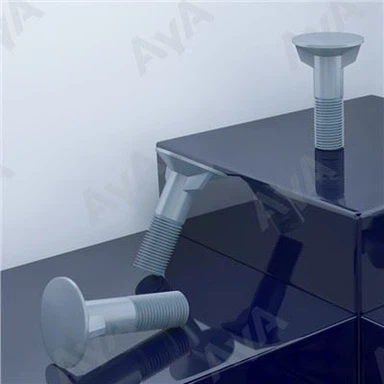
Bolts vs. Nuts: Key Differences & Why Heavy Industry Needs Custom Mating
Jan 07, 2026
While the basic mechanics of bolts and nuts are universally understood, applying them in high-vibration, heavy-load environments changes the equation entirely. Discover the engineering dynamics behind these critical components and why standard parts are often the weakest link in your assembly.
Explore Custom Fastening Solutions

What Are Bolts and Nuts?
Bolts and nuts are both essential components of the fastening system, working together to secure materials and structures.
- Bolts: A bolt is a fastener with a threaded shaft, typically paired with a nut. Bolts are used to hold two or more components together by being inserted through holes and fastened with nuts.
- Nuts: A nut is a six-sided (hexagonal) metal piece with internal threads. It is used in combination with a bolt to tighten and secure materials in place.
Together, bolts and nuts provide secure connections for everything from automotive assembly to steel structures. The choice of the correct bolt and nut combination depends on the specific project requirements.
Bolt vs Nut: The Key Differences
Although they both play crucial roles, bolts and nuts serve different functions. Here are the key differences between the two:
| Feature | Bolt | Nut |
|---|---|---|
| Definition | A fastener with external threads used with a nut | A fastener with internal threads that mates with a bolt |
| Function | Bolts secure components through a hole with a nut tightened around them | Nuts secure bolts and create a firm hold on components |
| Shape | Typically cylindrical with a hexagonal or square head | Typically hexagonal but can come in different shapes |
| Usage | Used in construction, machinery, steel structures, automotive, etc. | Used in combination with bolts to secure fastenings |
| Thread Type | External threads that fit with the internal threads of a nut | External threads that fit with the internal threads of a nut |
Common Types of Bolts and Nuts
1. Types of Bolts

These are the most common types of bolts used in general-purpose fastening. The hexagonal head allows easy gripping with a wrench.

These bolts are used for applications where the bolt needs to sit flush with the surface.

Used for securing items to concrete foundations, anchor bolts have a threaded end to secure nuts.

Used in heavy-duty machinery and equipment, providing excellent tensile strength for precision assembly.
2. Types of Nuts

The most common nut type is used with hex bolts for general fastening.

These nuts have wings that make them easy to hand-tighten, commonly used for applications requiring quick removal.
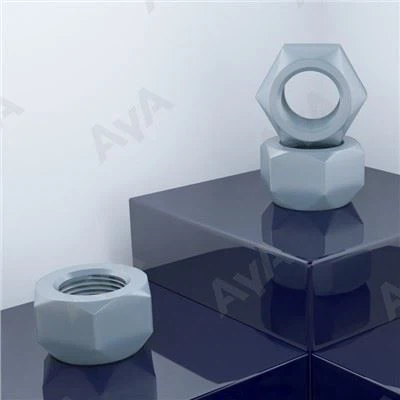
These nuts are designed to prevent loosening from vibration or movement, commonly used in high-vibration environments.
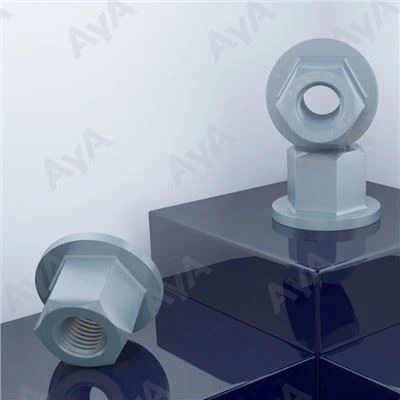
Flange nuts feature a wide base that increases the nut's load distribution, often used in structural applications.
Applications of Bolts and Nuts in Various Industries
Bolts and nuts are used in a variety of applications across industries, including construction, automotive, manufacturing, and machinery. Here's how they contribute to key sectors:
🏗️Construction
In the construction industry, bolts and nuts are essential for holding together steel beams, metal structures, and concrete anchors. Heavy-duty bolts are used to secure large structural components like bridges, buildings, and skyscrapers, while nuts ensure that these bolts stay securely fastened during the structure's lifetime.
🚗 Automotive Industry
In the automotive industry, bolts and nuts are used to assemble engines, car bodies, and various parts. They provide secure connections that withstand vibration, heat, and stress, ensuring the vehicle's durability and performance. Custom bolts and nuts are often needed for specialized parts such as exhaust systems, brakes, and suspension components.
⚙️ Machinery and Industrial Equipment
Bolts and nuts are indispensable in the manufacturing of machinery and industrial equipment. In machinery, bolts and nuts secure critical parts such as motors, gears, and moving components. The strength of these fasteners ensures the safe operation of equipment under high loads and stress.
The Danger of "Standard" Mismatches in Heavy Machinery
In low-impact applications, buying bulk, standard bolts and nuts is sufficient. However, for procurement directors and engineers managing heavy-duty equipment-such as mining crushers, tractors, or wind turbines-standard "off-the-shelf" combinations are a massive risk.
When a standard bolt is paired with a standard nut in a high-vibration environment, the micro-movements between the threads cause self-loosening. Furthermore, if the material hardness of the nut does not properly match the bolt (a common issue with cheap standard parts), you risk galling (cold welding of the threads) or complete thread stripping under high torque.
Request Custom Fastener Solutions
Why Custom Engineering Matters
To solve these complex assembly challenges, top-tier manufacturers look beyond standard specifications. The true reliability of a joint depends on thread mating dynamics-how perfectly the internal and external threads interact.
This is where custom-engineered fasteners become indispensable. By opting for custom manufacturing, engineers can control:
- Precise Thread Pitch: Customizing fine threads for superior resistance to vibration-induced loosening.
- Material Compatibility: Engineering bolts and nuts from matched specialized alloys to ensure uniform thermal expansion and eliminate galling.
FAQs
Q1: What is the difference between bolts and screws?
A1: A bolt is a fastener with external threads that requires a nut to hold it in place, while a screw typically has internal threads and is used to fasten directly into material without the need for a nut.
Q2: Can I use a nut without a bolt?
A2: A nut by itself does not serve a fastening purpose; it is typically used in combination with a bolt to secure materials. The nut's threads engage with the bolt's threads to create a secure fastening.
Q3: Are there specific bolts and nuts for construction?
A3: Yes, there are heavy-duty bolts and nuts designed specifically for construction, such as anchor bolts for securing structures to concrete foundations and hex bolts for structural applications.
Conclusion: The Importance of Choosing the Right Fasteners
Bolts and nuts are essential components in the engineering and construction industries. Understanding the differences between bolts vs nuts, the types available, and their applications is crucial for ensuring strong and secure connections. Choosing the right fasteners for your project not only ensures safety and reliability but also enhances efficiency and performance in construction and industrial applications.
Get a Free Quote Now for Bulk Orders