AYA FASTENERS Guide | Self Drilling Vs Self Tapping Screws, What Are The Difference?
Mar 05, 2024
When it comes to commercial, industrial, and even construction usage of screws both self-drilling and self-tapping screws can have an important role to play. However, while the two are often confused, they actually are different types of screws that should be used for different applications. In order to understand the differences between the two better it is useful to examine the different aspects of each of these screws.

What are self-tapping screws?

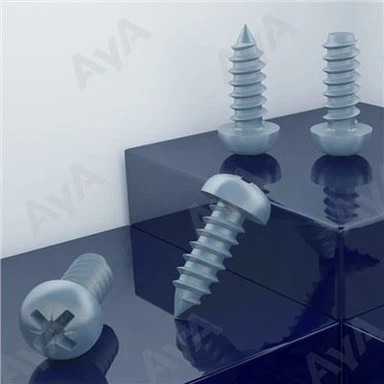
Self-tapping screws, which are also known as sheet metal screws, metal screws, and tapping screws are a greater category of screws. Their tip will often come in a variety of different shapes, including flat, blunt, and even pointed. In cases where the screw is pointed then this can be known as thread-cutting, as it can be used for tapping and creating threads in a hole that has been pre-drilled. However, in cases where the tip is flat then it will be referred to as thread rolling, as it will have rolling threads that leave zero clearance between material and screws.
How to choose the right self-tapping screws?
When choosing the correct self-tapping screws the first thing to consider is the type of material that you will be using the fastener on. There are different types of self-tapping screws available which are specifically designed to be used with certain materials, including plastic, metal, and wood.
Apart from determining the right screw for the material you are working with you should also consider the length and size of the screw you are using. As part of this process, you will also need to consider the desired level of torque or tightening force that is necessary for the application.
What are self-drilling screws?

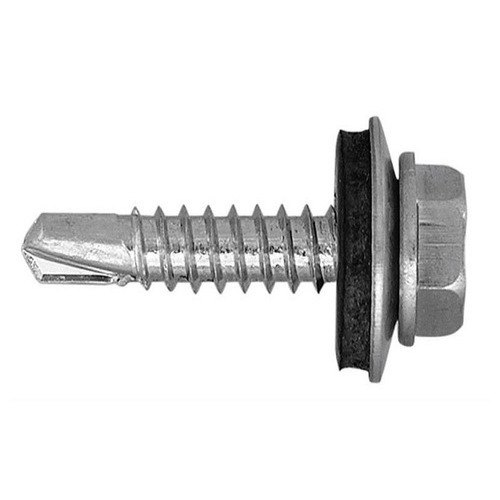
Self-drilling screws are considered a subcategory of self-tapping screws. From a visual standpoint they are really easy to distinguish as the end part of the screw will be shaped like a twist drill. It is this part of the screw that is used to drill the hole into any material and it is what allows self-drilling screws to be used even when there are no pre-drilled holes.
How to choose the right self-drilling screws?
When it comes to choosing the right self-drilling screws for your project there are two things that you will need to remember.
The first is that self-drilling screws are not usually able to be used with hard material as their end drill bit is not often strong enough to handle the force required to make the holes.
The second is that there are different self-drilling screws available depending on the type of material you are working with. This could mean that a self-drilling screw that works well for wood might not be the best option if you are suddenly going to switch to a metal material.
You should also take some time to consider the length and size of the screw, as well as looking into the torque level and tightening force required for the application. While the drill points for these types of screws are standardized there is variation based on the different lengths which can be distinguished through the numbers 1 to 5. These numbers are usually used to determine the thickness and length of the screws.
Are there differences in the screw tip styles for self-drilling screws?
Self-drilling screws exist in a variety of tip styles, including split-point, self-centering, and fluted. These different types of tip styles are used to help guide the screw through the material which will keep the screw from creating a poorly formed or damaged material. In cases where the hole is not drilled correctly the screw could end up floating in the hole which will stop it from acting as a proper fastener.
What are the main differences between self-drilling and self-tapping screws?
The most important difference when it comes to these two types of screws is that, unlike self-tapping screws, self-drilling screws do not require a pre-drilled pilot hole for application. Instead, they can easily be used to drill, and fasten the material in one single step. This means that self-drilling screws can have greater speed and time efficiency which is why they are often used in construction.
Another key difference is material compatibility as self-tapping screws are usually used for softer materials including sheet metal, plastic, and wood. However, high-quality self-drilling screws can be used to drill into harder materials including steel and metal.
When are self-drilling screws used?
Self-drilling screws are most commonly used in HVAC applications. They are also the type of fastener that is used a lot in construction including in cases of metal roofing and steel framing. This is because they are versatile fasteners that can allow for faster application which is particularly important during the construction process.
When are self-tapping screws used?
Self-tapping screws are commonly used in plastic assembly, woodworking, and sheet metal applications. They are commonly found in the automotive industry where they are used to attach panels, assemble interior components, and even secure trim pieces. Electronics and appliances will also commonly have self-tapping screws used for securing different brackets and components. These types of screws can also have many different usages in construction and even home improvement projects.
What types of materials are self-drilling screws made of?
Self-drilling screws can be manufactured from various materials depending on the environmental conditions and applications of these screws. The most common materials used for self-drilling screws include:
Carbon Steel
Carbon steel is a cost-effective affordable material that can work for many general-purpose applications. In order to enhance its corrosion resistance capabilities, it will often be coated with different platings including zinc.

Stainless Steel
Stainless steel is most commonly used in cases where there are harsh weather conditions or extreme exposure to moisture as it can be very resistant to corrosion and rust.

Aluminum
Self-drilling screws that are made out of aluminum are corrosion-resistant and lightweight. They are most often used in cases where the fasteners will be placed in a corrosive environment.
Apart from the main material of the screw, there are also various platings that are used in order to enhance certain abilities of the screws. By doing so these screws can become more versatile and there is an option for them to be used in more varying applications.
When should you opt for self-drilling screws?
Opting for self-drilling screws is a good option in cases where a single operation is going to be beneficial. There are several different scenarios in which self-drilling screws can be used commonly. These include:
1. Metal-to-metal applications: In these applications pre-drilling is not only time-consuming but also completely impractical which is why self-drilling screws are the way to go.
2. Sheet Metal Fabrication: Self-drilling screws are usually the best option for attaching metal sheets to one another as they eliminate the need for pre-drilled holes.
3. Hard Materials: In cases where hard materials are involved which makes it either hard or not feasible for a pilot hole to be created, then self-drilling screws created for that material can be the only way forward.
4. Lack of accessible material: If access to certain materials is restricted then self-drilling screws could be a more practical way to move forward.
Is there a difference in the installation of self-tapping and self-drilling screws?
The installation process of both self-tapping and self-drilling screws is fairly similar. However, the one key difference is that with self-tapping screws you will need to start with a drill that has the proper drill bit for the screw that you are trying to install. Once the pilot hole has been created you can proceed with the next few steps. However, in the case of self-drilling screws, you do not need to first create a pilot hole instead you can start straight away with the installation process by aligning the screw in the location you want it positioned in and then driving it using a screwdriver. Throughout this process, it is key that you avoid over-tightening. As soon as the screw is snug and secure you should stop and avoid screwing anymore as it can damage the material and even potentially strip the threads.
Conclusion
Looking for Fasteners?
Click below to browse AYA FASTENERS' extensive Fastener catalog, including high-quality screws, bolts, nuts, and washers products.

Tel: +86-311-85870676

WhatsApp/WeChat: +8615532219049

Email: sales@ayafasteners.com

Address: Hebei Province, China