


How To Evaluate A Custom Fastener Manufacturer Before Mass Production?
Nov 25, 2026
Selecting a custom fastener manufacturer involves more than comparing quotations or checking whether a supplier can produce a sample. A part that meets drawing requirements during initial sampling may still encounter dimensional variation, coating inconsistencies, or assembly problems when production volume increases.
For automotive and industrial manufacturers, supplier evaluation should begin before mass production. The key is to determine whether a manufacturer can consistently translate technical specifications into repeatable production results while meeting quality, cost, and delivery requirements.
This evaluation starts with the drawing, manufacturing feasibility, and quality requirements. It should then extend to process control, sample validation, and the supplier's ability to support ongoing production.
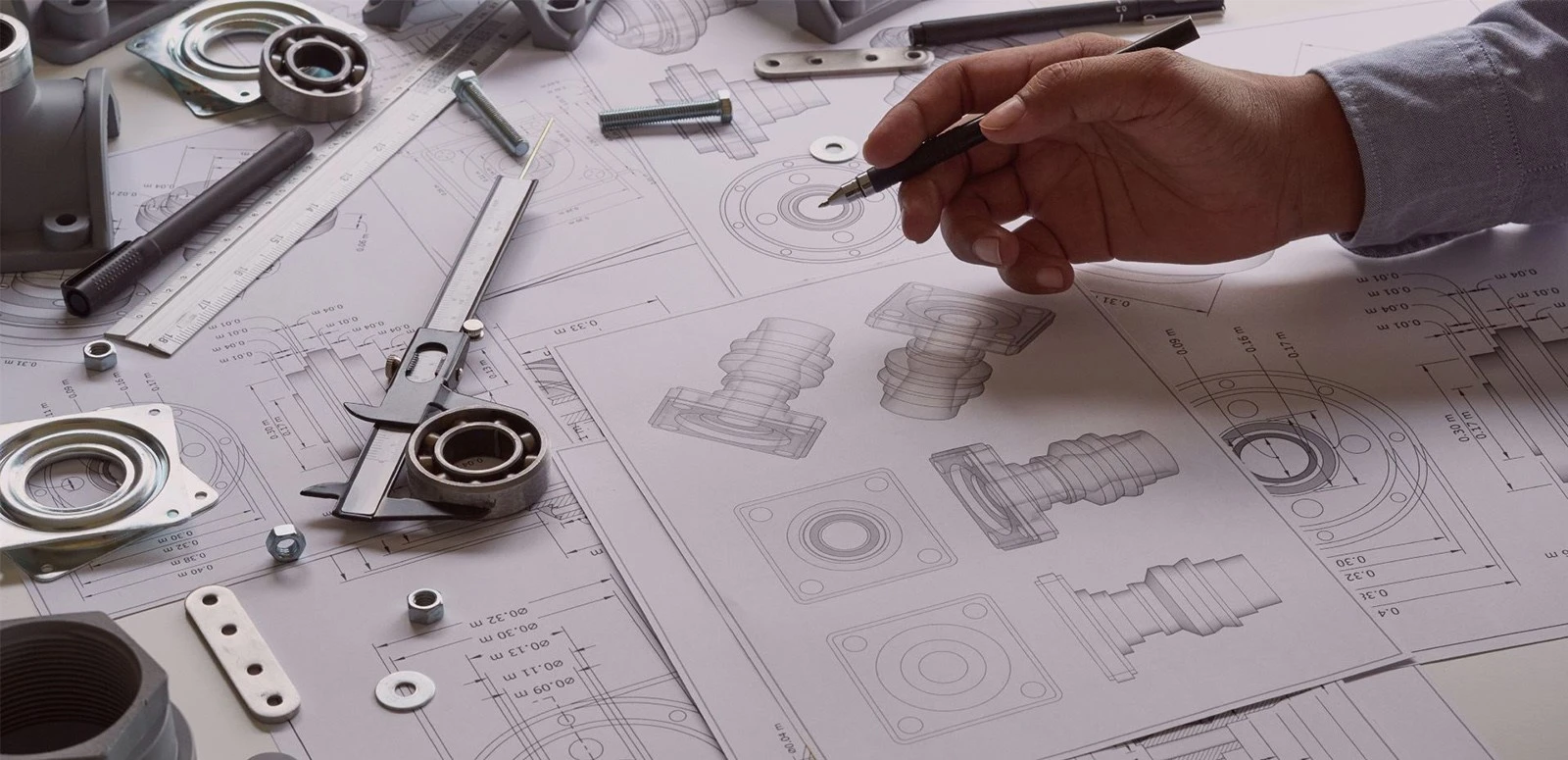
1. Evaluate Drawing Understanding and Manufacturing Feasibility
Before discussing production capacity or pricing, confirm whether the manufacturer understands the technical requirements and can produce the part reliably.
A capable supplier should be able to review the customer's drawings and specifications, identify manufacturing constraints, and clarify requirements that may affect production.
Several areas deserve attention:
- Dimensional requirements: Are critical dimensions, tolerances, and geometric features clearly defined? Can the proposed manufacturing process consistently achieve them?
- Material specifications: Does the supplier understand the required material grade, mechanical properties, and application conditions?
- Thread requirements: Are thread dimensions, tolerances, engagement length, and fit compatible with the mating components?
- Surface treatment: Can the specified coating meet the required thickness, corrosion resistance, and assembly performance?
- Production method: Is the proposed process suitable for the part's geometry, material, required volume, and cost target?
A drawing review should also identify potential issues before production begins. For example, tight tolerances on non-critical features may increase manufacturing costs without improving product performance. In other cases, insufficient thread engagement or an unsuitable coating specification may create assembly problems.
These details should be clarified early rather than left for correction after production.
☆ Related news: How Screw Thread Engagement Affects Fastener Strength And Failure Risk?
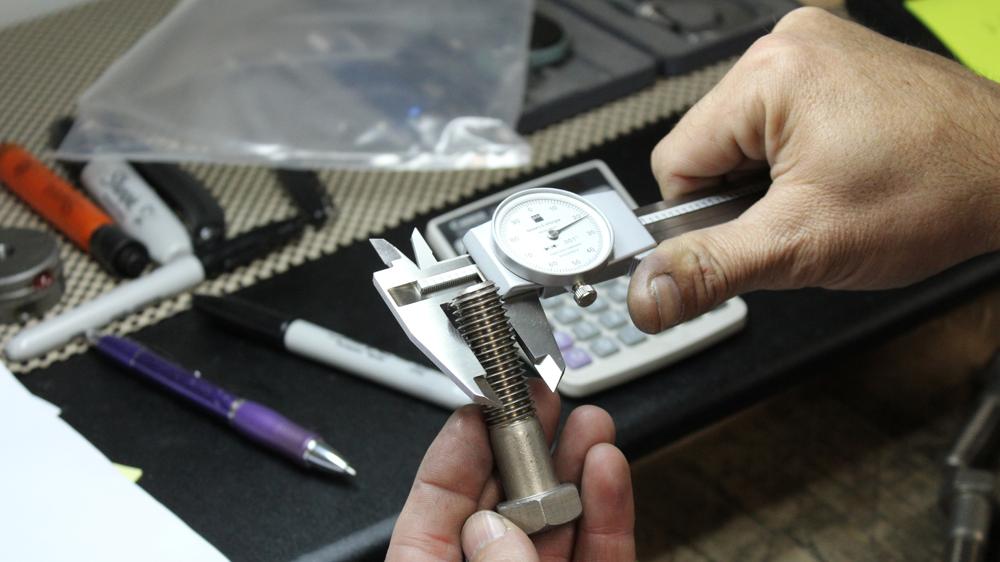
2. Check Quality Management and Production Control
A quality certificate is an important starting point, but it does not tell the whole story. Buyers should understand how the manufacturer controls quality throughout the production process.
For automotive and industrial applications, quality requirements may cover incoming materials, production operations, dimensional inspection, mechanical properties, surface treatment, and final product verification. The exact requirements depend on the customer's specifications and project scope.
When evaluating a manufacturer, ask how it manages the following:
| Evaluation area | What buyers should confirm |
|---|---|
| Material control | How are material specifications and supplier documentation verified? |
| Process control | How are critical production parameters monitored? |
| Dimensional inspection | Which dimensions are inspected, and how are results recorded? |
| Surface treatment | How are coating specifications and performance requirements verified? |
| Traceability | Can production batches and inspection records be traced? |
| Nonconformance management | How are defects investigated and corrective actions implemented? |
It is also important to distinguish between having an inspection procedure and demonstrating that the procedure works. Buyers can request relevant inspection records, sample measurement reports, and quality documentation to understand how the supplier manages actual production.
For automotive projects, certifications such as IATF 16949 and ISO 9001 can provide useful evidence of a structured quality management system. However, certification alone should not replace a review of the manufacturer's process controls and project-specific quality requirements.
3. Validate Samples Before Approving Mass Production
Sample approval is a critical decision point, but a sample that meets the drawing does not automatically guarantee stable mass production.
The validation process should cover the characteristics that matter to the final application, including:
- Dimensions and tolerances: Confirm that critical dimensions meet drawing requirements.
- Material and mechanical properties: Verify that the supplied material and relevant mechanical properties match the specification.
- Surface treatment: Check coating requirements, corrosion resistance, and compatibility with the intended application.
- Assembly performance: Evaluate thread fit, installation conditions, and other application-related requirements.
- Documentation: Review inspection results and confirm that the sample corresponds to the agreed specifications.
Where necessary, buyers should also consider testing under actual or representative assembly conditions. A fastener may meet individual dimensional requirements but still cause problems when installed with mating components.
For example, coating thickness can influence thread fit and installation torque. Material or hardness variations may also affect performance under load. These factors should be evaluated against the application requirements rather than judged by appearance alone.
AYA's guide to bolt surface treatments provides further context on how surface treatment choices relate to fastener performance.
Before approving mass production, both parties should agree on the approved drawing revision, sample specifications, inspection criteria, and any required validation records. This creates a clear reference for subsequent production.
4. Assess Production Consistency and Supply Reliability
The final step is to determine whether the manufacturer can maintain the approved quality level when production volume increases.
A supplier may produce acceptable samples but struggle to maintain consistency across larger batches. Differences in raw materials, process parameters, tooling conditions, or external surface treatment operations can all affect the final product.
Buyers should therefore evaluate more than the manufacturer's stated production capacity. Consider these questions:
- Can the manufacturer maintain consistent dimensions and performance across production batches?
- Are critical production parameters monitored and controlled?
- How does the supplier respond to quality deviations?
- Can it provide realistic lead times and communicate potential delivery risks?
- Is there a clear process for handling engineering changes and revised drawings?
Delivery performance is equally important. A supplier should be able to explain its production planning, material preparation, and logistics arrangements, especially when the customer requires recurring orders or time-sensitive deliveries.
For ongoing projects, communication also matters. Changes to drawings, specifications, order quantities, or delivery schedules should be reviewed and confirmed before they affect production.
A reliable manufacturing partner is not simply one that can complete the first order. It can maintain agreed requirements and respond effectively as the customer's production needs evolve.
Make Supplier Evaluation Part of the Project Process
Evaluating a custom fastener manufacturer before mass production helps reduce the risk of costly changes, quality issues, and delivery disruption. The most important considerations are drawing understanding, manufacturing feasibility, quality control, sample validation, and production consistency.
Rather than making a decision based only on price or certification, buyers should assess whether the supplier can meet the technical requirements and sustain the expected performance throughout the production cycle.

Need a Custom Fastener Manufacturer for Your Project?
Share your drawings and technical requirements with AYA Fasteners. Our team can review your specifications and discuss manufacturing feasibility, quality requirements, and production needs for your application.


