EU Clean Industrial Deal And Its Impact On Custom Fastener Sourcing
Jun 10, 2026

The EU Clean Industrial Deal is accelerating changes across European manufacturing and industrial supply chains. As sustainability, material traceability, and supply chain resilience become higher priorities, procurement teams are re-evaluating how critical components such as custom fasteners are sourced.
For OEMs and industrial project managers, supplier selection is increasingly influenced by compliance capabilities, engineering support, and long-term supply stability rather than price alone.
Source:
European Commission – Clean Industrial Deal

What the Clean Industrial Deal Means for European Manufacturers
The Clean Industrial Deal was introduced to support European industry amid rising energy costs, increasing global competition, and the transition toward lower-carbon manufacturing. The initiative focuses on energy-intensive sectors such as steel, metals, chemicals, transportation, and clean technologies.
For manufacturers, the policy signals a broader shift toward:
- Increased sustainability requirements
- Greater emphasis on supply chain resilience
- More attention to material origin and traceability
As industrial buyers evaluate suppliers, technical capability alone is no longer sufficient. Compliance and long-term sustainability are becoming part of supplier qualification processes.
New Material and Sustainability Requirements in Industrial Projects
Many industrial projects are beginning to incorporate environmental targets into procurement decisions.
Materials with documented origins, controlled production processes, and lower environmental impact are receiving greater attention. At the same time, manufacturers are being asked to provide more detailed information regarding raw materials, coatings, and quality management systems.
Project teams increasingly evaluate suppliers based on factors such as:
✓ Material traceability
✓ Quality consistency
✓ Compliance documentation
✓ Manufacturing transparency
As regulations evolve, the ability to demonstrate compliance may become as important as the component itself.

Supply Chain Challenges During the Green Transition
While sustainability goals create new opportunities, they also introduce supply chain complexity.
Manufacturers must manage fluctuating raw material costs, changing regulations, and growing demand for qualified suppliers. At the same time, European companies are seeking to reduce dependency on unstable sourcing channels and improve long-term supply security.
For custom fastener projects, delays often occur when material availability, technical requirements, and compliance expectations are not aligned early in the sourcing process.
This is why supply chain resilience has become a strategic priority rather than simply a procurement concern.
The Growing Role of Custom Fasteners in Compliance-Driven Projects
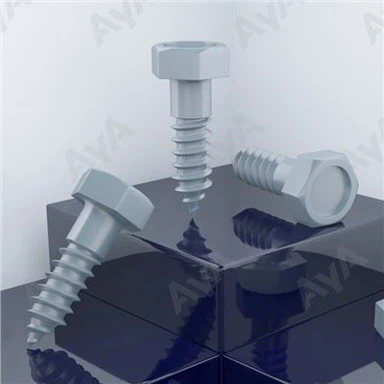
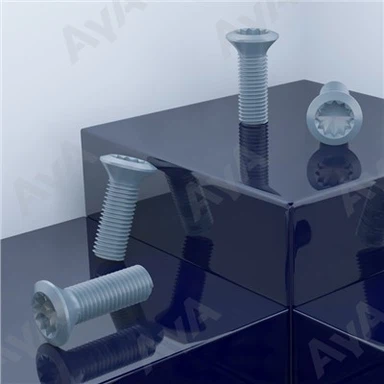
As industrial products become more specialized, standard fasteners are not always capable of meeting performance and compliance requirements simultaneously.
Custom fasteners allow manufacturers to optimize materials, coatings, dimensions, and performance characteristics according to specific project conditions.
| Project Requirement | Standard Fasteners | Custom Fasteners |
|---|---|---|
| Material Optimization |
Limited |
Application-Specific |
| Traceability Support |
Basic |
Enhanced |
| Performance Requirements | General |
Customized |
| Compliance Flexibility |
Standardized |
Improved |
For industries such as transportation, automation, renewable energy, and heavy equipment, custom fastening solutions can help align engineering requirements with evolving regulatory expectations.
Building a More Resilient Sourcing Strategy
The Clean Industrial Deal highlights a broader trend affecting manufacturers across Europe: resilience is becoming a competitive advantage. The European Commission has emphasized reducing dependencies on vulnerable supply chains while supporting more sustainable industrial production.
For procurement and engineering teams, a resilient sourcing strategy typically includes reliable manufacturing capacity, material traceability, engineering support, and proactive DFM evaluation.
Rather than reacting to supply disruptions after they occur, leading manufacturers are working more closely with suppliers during the early stages of product development. This approach helps reduce risk, improve predictability, and support long-term project success.
Prepare for the Next Generation of Industrial Sourcing
As sustainability, compliance, and supply chain resilience become increasingly important across Europe, selecting the right fastening partner is becoming a strategic decision.
AYA supports OEMs and industrial manufacturers with custom fastener development, engineering reviews, material traceability, and stable global manufacturing capabilities.
If your project requires custom fastening solutions that align with evolving European manufacturing requirements, our engineering team is ready to review your drawings and technical specifications.