


From Drawing To Production: How Custom Fasteners Are Engineered For Reliability
Feb 27, 2026
In structural and industrial projects, reliability begins long before installation. A custom fastener must be designed around specific load conditions, environmental exposure, and dimensional requirements. From drawing review to controlled manufacturing, each stage determines long-term performance.
Custom fasteners are not simply produced-they are engineered to solve defined mechanical challenges.
Understanding Application Requirements Before Design
Reliable design starts with a clear understanding of how the fastener will function. Engineers evaluate load type, whether tensile, shear, or dynamic, and consider environmental factors such as humidity, temperature variation, or corrosion risk.
A structural bolt used in steel construction must maintain preload under sustained force, while machinery applications may require improved fatigue resistance. Defining these parameters early ensures that geometry, material, and surface treatment align with real operating conditions.
Without proper application analysis, even high-strength fasteners can fail due to misalignment between design and usage.
Engineering the Right Material Selection
Material choice defines mechanical performance. Carbon steel, alloy steel, and stainless steel each provide different strengths and corrosion characteristics. Selection must reflect both load requirements and service environment.
Heat treatment processes such as quenching and tempering are applied to achieve target tensile and yield strength levels. However, higher hardness must be balanced with sufficient ductility to avoid brittleness.
A properly engineered material specification ensures structural integrity throughout the fastener's service life.
Dimensional Design and Tolerance Control
Dimensional precision directly affects joint reliability. Thread accuracy, fit class compatibility, and grip length determine preload consistency and load distribution.
Small deviations can result in insufficient clamping force or uneven stress concentration. Over time, this may lead to loosening or fatigue damage. For this reason, controlled tolerances and stable thread-forming processes are essential in custom manufacturing.
Precision design ensures that installation torque translates into predictable and repeatable joint performance.
Prototyping and Verification Before Mass Production
Before mass production, prototype samples are tested to validate performance. Dimensional inspection confirms geometric accuracy, while tensile and hardness tests verify mechanical properties.
Assembly trials ensure proper fit and torque behavior. Surface treatment thickness may also be checked when corrosion resistance is required.
Early verification reduces production risk and ensures that design assumptions hold true under practical conditions.
Controlled Manufacturing and Quality Assurance
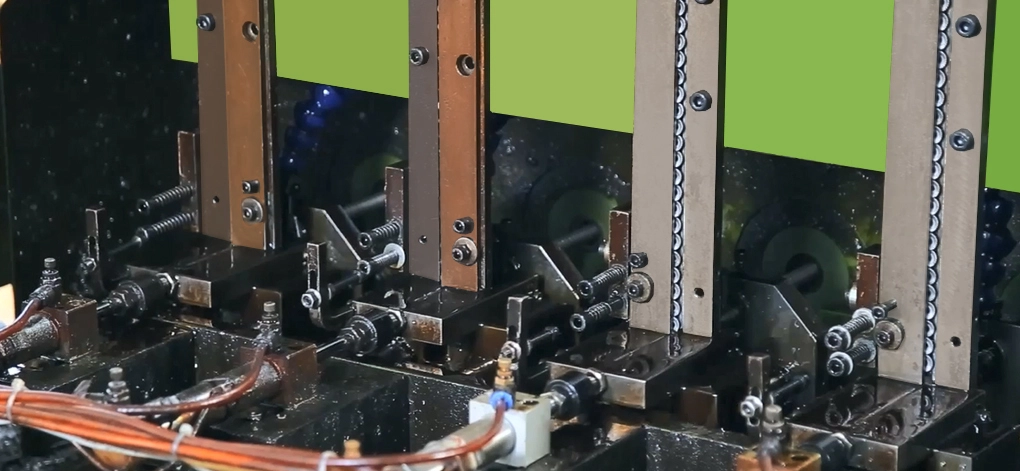
Reliable production depends on process stability. Cold heading, CNC machining, thread rolling, and heat treatment must be carefully controlled to maintain batch consistency.
Material traceability and inspection documentation support compliance with international standards such as ASTM or ISO. Even minor variations in processing conditions can affect long-term performance, making quality control essential.
Consistency in manufacturing ensures predictable behavior in the field.
Surface Protection and Long-Term Performance
Surface treatment protects fasteners from corrosion and environmental degradation. Zinc plating, hot-dip galvanizing, or specialized coatings are selected based on service conditions.
Coating thickness must be carefully managed to preserve thread fit and torque performance. Final inspection confirms dimensional accuracy and surface integrity before shipment.
Proper protection extends service life without compromising mechanical performance.
Conclusion
From drawing analysis to final inspection, reliability is built into every stage of custom fastener development. Accurate design, appropriate material selection, controlled manufacturing, and quality verification together ensure long-term performance.
In demanding applications, reliability is engineered-not assumed.


