


AYA FASTENERS Guide | What Are Self Drilling Screws?
Jan 30, 2024
When it comes to the creation of any project, one of the most important decisions you will be called to make about your fasteners is whether or not you will need to first drill a hole before installing them, or whether the screw will be directly installed without a pre-drilled hole.
While this decision might seem easy enough depending on the materials and the type of project you are creating, in reality, it is also going to greatly affect the type of screws that you use to complete the project.
In the case where you decide that it is better for you to not pre-drill the holes then you will need to use a self-drilling screw.

What Is A Self-drilling Screw?
If you have never heard of a self-drilling screw before then the name might seem a bit confusing, however in reality the name is only referring to the design of the screw. Unlike a regular screw, a self-drilling screw will have the regular screw parts and an additional drill bit at the tip which will allow you to use the screw as a drill for the hole. This design means that the self-drilling screws do not require a pilot hole which is usually standard for a fastener.
What Materials Can A Self-drilling Screw Be Used With?
A self-drilling screw can generally be used with a variety of materials, however, most commonly the materials will have to be relatively soft. If you are working with metals then you should be able to use a self-drilling screw with aluminum and steel. They are also great to use with wood, especially in cases where pre-drilling might not be practical, as well as with certain plastic materials. In all of these applications, it is very important that you determine the right screw type and size in order to ensure that you are able to drill the hole with the screw without having to worry about cracking or damaging the material. This is particularly true in the cases of wood and plastic.
Self-drilling screws are also commonly used in construction when working with composite materials, roofing materials, and drywall. This is because of the elimination of the additional drilling step. Depending on the type of material you are actually used to and the strength and thickness of the materials you might be required to pre-drill a hole with a bid made for that material.
What Is The Anatomy Of A Self-drilling Screw?
A self-drilling screw is made up of five different sections depending on the application. Much like normal screws, the self-drilling screws have a head and threads. The remaining three parts all exist in the point length, which includes a drill point, a flute, and wings. There are some self-drilling screws which also include an additional pilot section when necessary.
These points are the key factors in ensuring the efficiency of the screws. However, the material of the screws and the type of length point will often change based on the material and purpose you are looking to have it serve.
When To Use Self-drilling Screws?
Self-drilling screws have been around for many years and it is often used as a way of simplifying processes by getting rid of the drilling process. Due to the fact that a pilot hole is not necessary for using a self-drilling screw, they can very often improve performance and productivity.
There is no specific guide on whether or not the self-drilling screws should be used in a certain process. Generally, they are very commonly used in fabricating and construction operations. This includes using self-drilling screws for construction, including drywall installation, wood projects, and even metal roofing.

Are Self-drilling And Self-tapping Screws The Same?
There are many people who perceive self-tapping and self-drilling screws to be the same. However, in reality, that is not the case as self-tapping screws do not have the drill twist at the end of the screw point. This is why instead they are usually described as thread-forming or cutting screws and can have a flat, blunt, or even pointed end. This significant difference in the construction of the two types of screws changes the type of roles that they can fill.
What Are The Types Of Self-drilling Screws?
There are various types of self-drilling screws, each one of which is usually connected with a different type of construction.
The variations in the different types of self-drilling screws include differences in the production wire, type of head, as well as length, diameter, and even material. These are also the aspects that you will need to consider when trying to determine whether a certain self-drilling screw is going to fit the purpose you are looking for, or whether you are going to end up needing to try a different alternative for your project.
The most important variations when it comes to self-drilling screws all concern the head of the screw. This includes differences in the type of hex head, oval, wafer, pan, flat, and truss as well as differences on whether or not the head can countersink or not.
Some of the most common types of screws include:

Hex Head Self-Drilling Screws
Hex head self-drilling screws are one of the most used types of screws as they can easily be installed using a hand drill. They come in various sizes and materials, including steel, stainless steel, and coated finishes, to accommodate different project requirements and environmental conditions.
Sheet Metal Screws
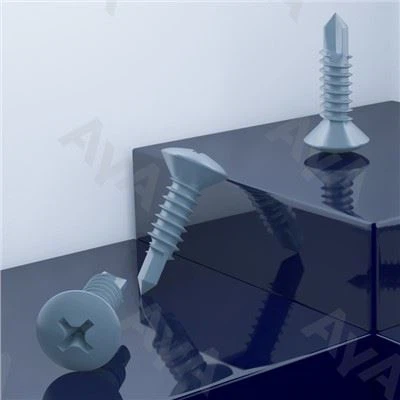
These screws are normally used in cases where you want to attack dense wood, light gauge steel, or cement board. When separates them from other screws is their unique rib design that includes a countersink and allows for the head to connect flush against the board. This type of screw also has wings, which are essential for avoiding premature thread engagement.
Flat Head Self-drilling screws
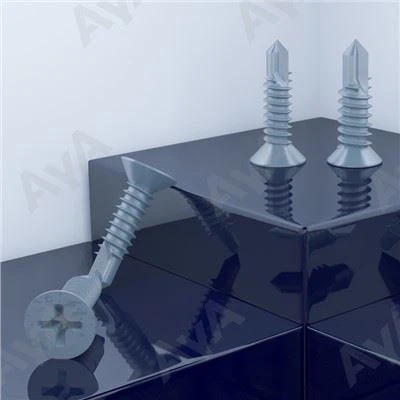
Much like the name implies these are self-drilling screws that allow you screw to land flush on the surface you are screwing. As such this requires the screw to be covered easily in order for the surface to remain unmarked.
Truss Head Screws
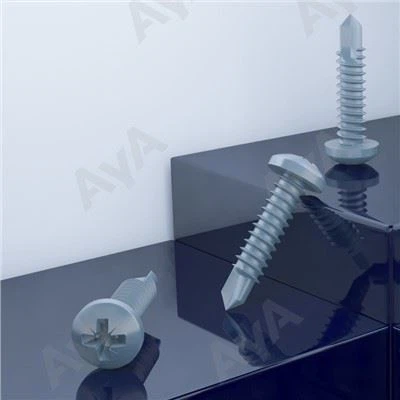
The truss head design features a low, rounded top with a wide surface area underneath, providing excellent load distribution and minimizing the risk of surface damage. Truss head self-drilling screws are often used in metal-to-metal or metal-to-wood applications.
What To Consider When Choosing A Self-drilling Screw?
1. The Drill Point Material
The point is most commonly made out of carbon steel which is unstable at high temperatures. This is why it is often the case that coatings end up being applied for greater strength against rust and corrosion to be supplied. Zinc coating for example is commonly used on steel to protect the material from corrosion.
2. Drilling Temperature
When it comes to drilling temperature several different factors can be considered, many of which can be controlled during the installation. These include the RPMs on the motor, as well as the force being used in order to push the screw into the material. The force will usually increase the heat that is created during the application.
3. High Temperature Stability
Drilling produces friction, which in turn leads to heat being produced. Most drill bits on screws are not able to handle a great deal of heat, which would mean that the drill point would end up failing quickly.
4. Revolutions Per Minute and Applied Force
As noted above, heat is the biggest enemy you will have during the installation process. This means that while you might be inclined to apply additional force or increase the Revolutions per Minute (RPM) to speed up the overall process of attaching the screws, what you could end up doing is causing your screws to fail faster.
In many cases, the self-drilling screws will have particular RPMs that are specified by the manufacturer. Going above that speed is never recommended as it could lead to their failure.
Conclusion
A self-drilling screw can be a great tool if you want to increase the ease of application, however much like with every tool it comes with its own set of rules and standards. As a pilot hole is not required, the screw will need to be able to handle the speed, friction, force, and heat produced during the installation, if not it could end up failing leaving you with a product that is not fastened with the necessary strength.
Looking for Fasteners?
Click below to browse AYA FASTENERS' extensive Fastener catalog, including high-quality screws, bolts, nuts, and washers products.

Tel: +86-311-85870676

WhatsApp/WeChat: +8615532219049

Email: sales@ayafasteners.com

Address: Hebei Province, China


