

How to deal with rusted hex nuts?
Oct 07, 2025
Hey there! As a hex nuts supplier, I've seen my fair share of rusted hex nuts. Rust can be a real pain in the neck, but don't worry, I've got some tips and tricks to help you deal with it. In this blog post, I'll walk you through the causes of rust, how to prevent it, and the best ways to remove rust from your hex nuts.
What Causes Hex Nuts to Rust?
Rust is basically a form of corrosion that happens when iron or steel comes into contact with oxygen and moisture. Hex nuts are usually made of steel, which means they're prone to rusting if they're not properly protected. Here are some common reasons why hex nuts might rust:

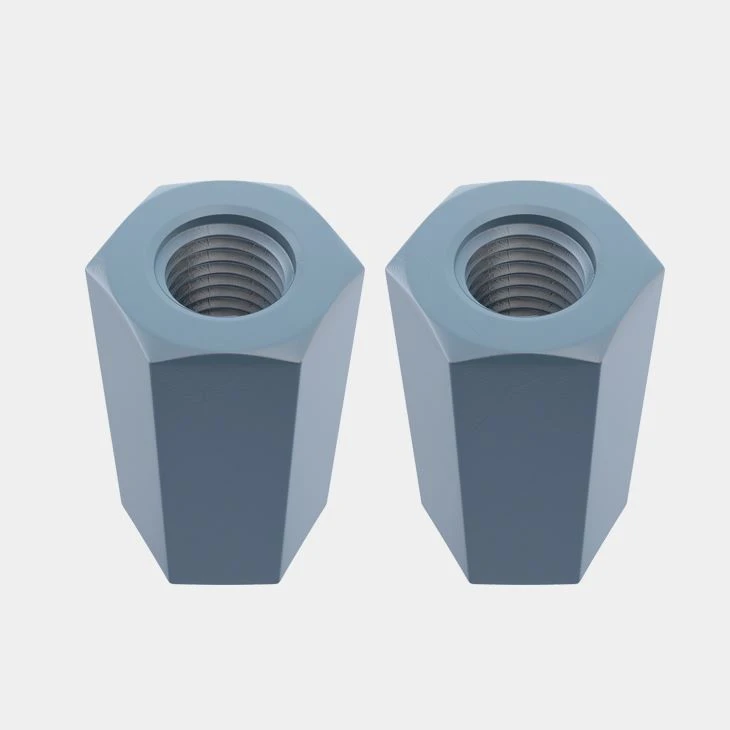
- Exposure to moisture: This is the biggest culprit. If your hex nuts are stored in a damp environment or they get wet, the moisture will react with the iron in the steel to form rust. For example, if you keep your nuts in a basement that has a high humidity level, or if they're used outdoors in rainy weather, rust is likely to set in.
- Lack of protective coating: Many hex nuts come with a protective coating like zinc plating or black oxide to prevent rust. But if the coating is damaged or wears off over time, the steel underneath is exposed and can start to rust.
- Contact with corrosive substances: Some chemicals can speed up the rusting process. For instance, if your hex nuts are used in an industrial setting where they're exposed to acids, salts, or other corrosive materials, they'll rust much faster.
How to Prevent Hex Nuts from Rusting
Prevention is always better than cure, right? Here are some steps you can take to keep your hex nuts rust-free:
- Choose the right coating: When you're buying hex nuts, look for ones with a good protective coating. Zinc-plated nuts are a popular choice because zinc acts as a sacrificial metal, corroding before the steel does. Black Hex Nut often have a black oxide coating, which not only looks cool but also provides some protection against rust.
- Store them properly: Keep your hex nuts in a dry place. You can use airtight containers or bags to keep moisture out. If you're storing them for a long time, consider adding a desiccant like silica gel to absorb any extra moisture.
- Avoid contact with corrosive substances: If you're using hex nuts in an environment where they might come into contact with chemicals, make sure to clean them regularly and apply a fresh protective coating if necessary.
Removing Rust from Hex Nuts
Okay, so what if your hex nuts have already started to rust? Don't throw them away just yet! There are several ways to remove rust and restore your nuts to their former glory.
1. Using Vinegar
Vinegar is a natural acid that can dissolve rust. Here's how you can use it:
- Fill a container with enough white vinegar to cover the rusted hex nuts.
- Put the nuts in the vinegar and let them soak for a few hours or overnight. The longer they soak, the better the results.
- After soaking, take the nuts out and scrub them with a wire brush or a steel wool pad to remove the loosened rust.
- Rinse the nuts thoroughly with water and dry them completely. You can use a hair dryer on a low setting to speed up the drying process.
2. Using Lemon Juice
Lemon juice is another natural acid that can work wonders on rust. It's a bit milder than vinegar, so it's a good option if you're dealing with light rust.
- Squeeze some fresh lemon juice into a container.
- Place the rusted hex nuts in the lemon juice and let them soak for a couple of hours.
- Scrub the nuts with a brush to remove the rust.
- Rinse and dry the nuts as before.
3. Using a Rust Remover Spray
If you're dealing with heavy rust or you don't have the time to soak the nuts, you can use a commercial rust remover spray. These sprays usually contain chemicals that dissolve rust quickly.
- Spray the rust remover directly onto the rusted areas of the hex nuts.
- Let the spray sit for the recommended amount of time (usually a few minutes).
- Use a brush to scrub off the rust.
- Rinse the nuts thoroughly and dry them.
4. Using a Wire Wheel or Sandpaper
For really stubborn rust, you might need to use a more aggressive method like a wire wheel or sandpaper.
- If you're using a wire wheel, attach it to a drill and carefully run it over the rusted areas of the hex nuts. Be careful not to damage the nut itself.
- If you're using sandpaper, start with a coarse grit to remove the bulk of the rust, then switch to a finer grit to smooth out the surface.
- After using a wire wheel or sandpaper, clean the nuts to remove any debris and apply a new protective coating.
Aftercare
Once you've removed the rust from your hex nuts, it's important to take steps to prevent it from coming back.
- Apply a new protective coating: You can use a spray paint, a clear coat, or a rust inhibitor to protect the nuts from future rusting.
- Keep them dry: As I mentioned earlier, moisture is the enemy of rust-free hex nuts. Make sure to store them in a dry place and avoid using them in wet conditions if possible.
Conclusion
Dealing with rusted hex nuts doesn't have to be a headache. By taking the right preventive measures and using the right techniques to remove rust, you can keep your nuts in great condition for a long time.
If you're in the market for high-quality hex nuts, whether it's Black Hex Nut, Thin Hex Nuts, or Long Hex Nut, I'm here to help. I've got a wide range of hex nuts to suit your needs, and I can also provide advice on how to keep them rust-free. So, don't hesitate to get in touch if you're interested in purchasing. Let's work together to make sure your projects are a success!
References
- "The Chemistry of Rusting." Chemistry LibreTexts.
- "Preventing and Removing Rust from Metal." Home Repair and Improvement Magazine.