

What is the strength rating of hex bolts?
Oct 15, 2025
Hey there! As a supplier of hex bolts, I often get asked about the strength rating of these little but mighty fasteners. So, let's dive right in and break down what the strength rating of hex bolts really means.
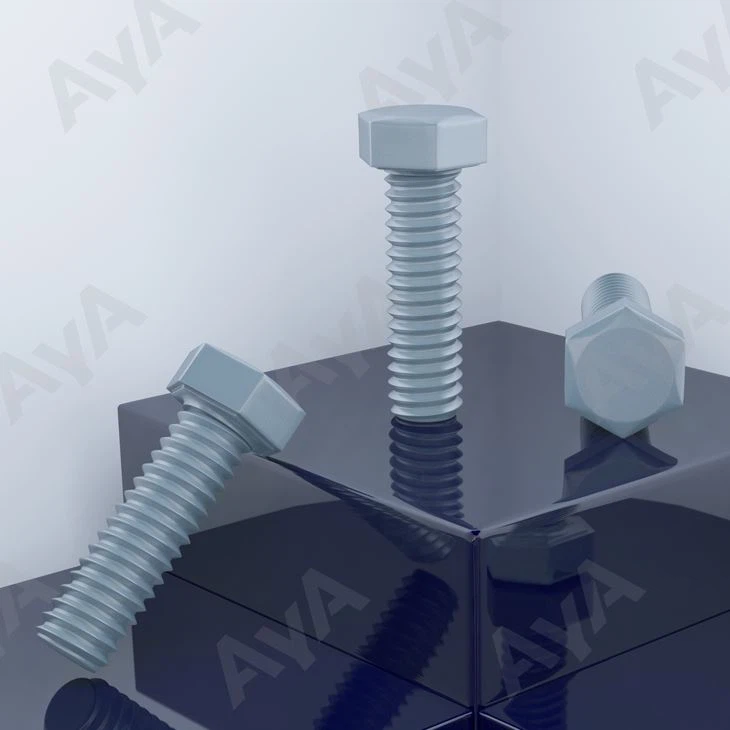
First off, what are hex bolts? They're those bolts with a hexagonal head that you see in all sorts of applications, from construction to machinery. We offer different types like Hex Bolt Partial Thread, Full Thread Hexagon Bolts, and Hot Dipped Galvanized Hex Bolts. Each type has its own unique features and uses, but the strength rating is a crucial factor across the board.
The strength rating of a hex bolt tells you how much load it can handle before it fails. This is super important because using a bolt with the wrong strength rating can lead to all sorts of problems, like structural failures or equipment malfunctions.
There are a few different systems used to rate the strength of hex bolts. One of the most common is the Society of Automotive Engineers (SAE) system in the United States. In the SAE system, bolts are classified into different grades, such as Grade 2, Grade 5, and Grade 8.

Grade 2 bolts are the most basic and have the lowest strength rating. They're usually made of low - carbon steel and are commonly used in applications where the load is relatively light. For example, they might be used in furniture assembly or some light - duty machinery.
Grade 5 bolts are stronger than Grade 2. They're made of medium - carbon steel and are heat - treated to increase their strength. These bolts are often used in automotive and construction applications where a bit more strength is required. You might find them in engine components or in the framing of a building.
Grade 8 bolts are the heavy - hitters. They're made of high - carbon alloy steel and are heat - treated to an even higher degree than Grade 5 bolts. This gives them the highest strength rating in the SAE system. Grade 8 bolts are used in applications where extremely high loads are expected, like in heavy machinery, bridges, and some high - stress automotive parts.
Another system is the International Organization for Standardization (ISO) system, which is used more widely around the world. In the ISO system, bolts are rated based on their tensile strength and yield strength. Tensile strength is the maximum amount of stress a bolt can withstand before it breaks, while yield strength is the amount of stress at which the bolt starts to deform permanently.
For example, an ISO 8.8 bolt has a minimum tensile strength of 800 MPa and a minimum yield strength of 640 MPa. An ISO 10.9 bolt is even stronger, with a minimum tensile strength of 1000 MPa and a minimum yield strength of 900 MPa.
When choosing a hex bolt, it's not just about picking the strongest one available. You need to consider the specific requirements of your application. If you use a bolt that's too strong for the job, you're not only wasting money, but you might also run into issues with installation. On the other hand, using a bolt that's too weak can be dangerous.
Let's talk about how the material of the hex bolt affects its strength rating. As I mentioned earlier, different grades of bolts are made from different types of steel. But there are also other materials that can be used, like stainless steel and alloy steel.
Stainless steel hex bolts are popular because they're corrosion - resistant. They're great for outdoor applications or in environments where the bolt will be exposed to moisture or chemicals. However, not all stainless steel bolts have the same strength rating. The strength of a stainless steel bolt depends on its composition and heat - treatment. For example, A2 stainless steel is a common type, but it's not as strong as some of the high - strength alloy steels. A4 stainless steel, on the other hand, is stronger and is often used in more demanding applications.
Alloy steel bolts can have a wide range of strength ratings depending on the specific alloy used and the heat - treatment process. Some alloy steels are designed to have high strength and toughness, making them suitable for very high - stress applications.
The manufacturing process also plays a big role in the strength of a hex bolt. Heat - treatment is a critical step. When a bolt is heat - treated, it goes through a process of heating and cooling that changes the internal structure of the steel, making it stronger. If the heat - treatment is not done correctly, the bolt might not reach its full strength potential.
Another factor is the threading of the bolt. The pitch and the quality of the threads can affect how well the bolt can grip and how much load it can transfer. A well - made thread with the right pitch will distribute the load more evenly, which can increase the overall strength of the connection.
Now, let's touch on surface finishes and how they relate to the strength rating. A surface finish like hot - dipped galvanizing, which we offer with our Hot Dipped Galvanized Hex Bolts, not only protects the bolt from corrosion but can also have a small impact on its strength. In some cases, the galvanizing process can add a bit of extra hardness to the surface of the bolt, which can help it resist wear and tear.
So, how do you know which hex bolt with the right strength rating to choose for your project? First, you need to determine the load requirements. This might involve calculating the weight of the structure or the force that the bolt will need to withstand. You can also consult with an engineer or someone with expertise in the field.
It's also a good idea to look at the standards and regulations that apply to your application. For example, in the construction industry, there are building codes that specify the minimum strength requirements for bolts used in different parts of a building.
As a hex bolt supplier, I'm here to help you make the right choice. We have a wide range of hex bolts in different grades, materials, and finishes to meet your specific needs. Whether you're working on a small DIY project or a large - scale industrial application, we can provide you with the right bolts at a competitive price.
If you're in the market for hex bolts, don't hesitate to reach out for a quote. We can discuss your project requirements in detail and help you select the hex bolts with the appropriate strength rating. Whether you need Hex Bolt Partial Thread, Full Thread Hexagon Bolts, or Hot Dipped Galvanized Hex Bolts, we've got you covered.
In conclusion, understanding the strength rating of hex bolts is essential for anyone working with these fasteners. By choosing the right bolt for the job, you can ensure the safety and reliability of your projects. So, if you have any questions or need help with your hex bolt selection, just give us a shout.
References
- "Fasteners and Their Applications" by Henry Petroski
- Society of Automotive Engineers (SAE) standards
- International Organization for Standardization (ISO) standards