

How to identify the size of a hex nut?
Nov 26, 2025
Hey there! As a supplier of hex nuts, I've dealt with all sorts of customers asking about hex nut sizes. Figuring out the size of a hex nut might seem like a daunting task, but it's actually not that hard once you know what to look for. In this blog, I'll share some tips on how to identify the size of a hex nut, so you can make the right choice for your projects.
First things first, let's talk about the basic measurements of a hex nut. There are a few key dimensions you need to pay attention to: the diameter of the screw thread it fits, the width across the flats (the distance between two opposite flat sides of the hexagon), and the height of the nut.
Measuring the Thread Diameter
The thread diameter is probably the most important measurement when it comes to identifying a hex nut size. It determines which screw or bolt the nut will fit onto. To measure the thread diameter, you can use a caliper. Place the caliper jaws around the outside of the screw thread (the part that goes into the nut). Make sure you measure the major diameter, which is the largest diameter of the thread.
If you don't have a caliper, you can also use a thread gauge. A thread gauge is a tool with different-sized notches that match the threads of screws and bolts. You simply find the notch that fits the thread perfectly, and it will tell you the thread size.
Another way to estimate the thread diameter is by comparing the nut to a known size. If you have a collection of nuts and bolts in your workshop, you can try fitting the unknown nut onto different bolts until you find one that fits snugly. This method isn't as accurate as using a caliper or thread gauge, but it can give you a rough idea of the size.
Measuring the Width Across the Flats
The width across the flats is the distance between two opposite flat sides of the hexagon. This measurement is important because it determines which wrench or socket you'll need to tighten or loosen the nut. To measure the width across the flats, you can use a caliper or a ruler. Place the measuring tool across the two opposite flat sides of the hexagon and read the measurement.
In the United States, hex nut sizes are often specified in inches, while in many other countries, they're specified in millimeters. So, make sure you know which system of measurement you're using. If you're not sure, you can convert between inches and millimeters using a conversion chart or an online converter.
Measuring the Height of the Nut
The height of the nut is the distance from the top to the bottom of the nut. This measurement can also vary depending on the type and application of the nut. For example, Thin Hex Nuts are shorter in height compared to standard hex nuts. To measure the height of the nut, you can use a caliper or a ruler. Place the measuring tool vertically on the nut and read the measurement.
Different Types of Hex Nuts and Their Sizes
There are several types of hex nuts available, each with its own unique characteristics and size specifications. Here are some common types:
Standard Hex Nuts
Standard hex nuts are the most commonly used type of hex nut. They have a regular height and are suitable for a wide range of applications. Standard hex nuts come in various sizes, from very small ones used in electronics to large ones used in construction.
Thin Hex Nuts
Thin hex nuts, as the name suggests, are thinner than standard hex nuts. They're often used in applications where space is limited or where a lower profile is required. Thin hex nuts have the same thread size and width across the flats as standard hex nuts, but they're shorter in height.
Black Hex Nut
Black hex nuts are coated with a black finish, which provides some corrosion resistance. They're commonly used in outdoor applications or in environments where the nut might be exposed to moisture. The size specifications of black hex nuts are the same as standard hex nuts.
Zinc Plated Hex Nut
Zinc plated hex nuts are coated with a layer of zinc, which also provides corrosion resistance. Zinc plating is a popular choice because it's relatively inexpensive and provides good protection. Like black hex nuts, zinc plated hex nuts have the same size specifications as standard hex nuts.
Using Size Charts
If you're still having trouble identifying the size of a hex nut, you can refer to a size chart. Size charts are available online and in many hardware stores. They list the different sizes of hex nuts, along with their corresponding thread diameters, widths across the flats, and heights.
When using a size chart, make sure you know whether you're dealing with inch or metric sizes. Also, keep in mind that different manufacturers might have slightly different size specifications, so it's always a good idea to double-check the measurements before making a purchase.
Why Size Matters
Getting the right size of hex nut is crucial for the success of your project. If the nut is too small, it won't fit properly on the bolt and might come loose over time. On the other hand, if the nut is too large, it won't provide a secure connection and could also cause problems.
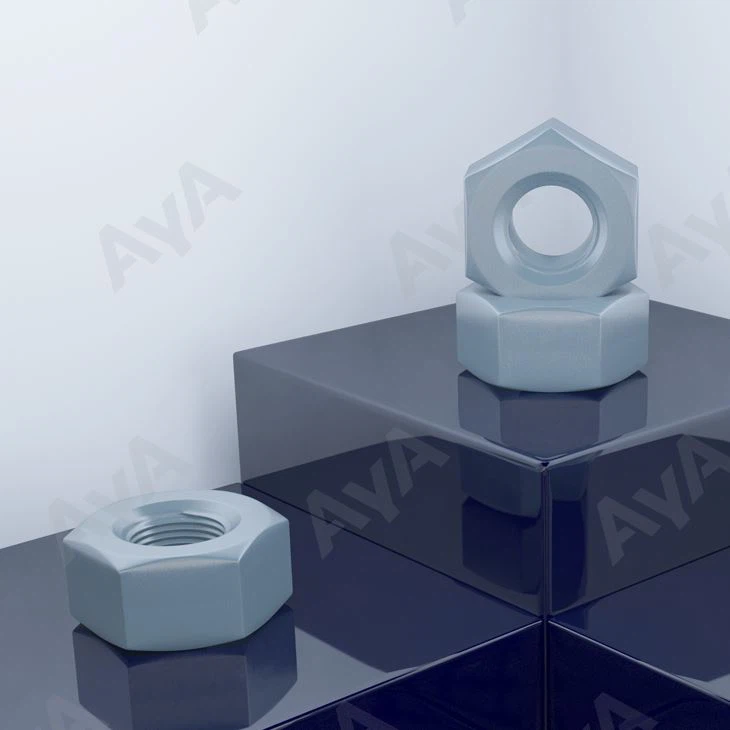

Using the correct size of hex nut also ensures that you can use the right tools to tighten or loosen it. If the width across the flats doesn't match the size of your wrench or socket, you won't be able to apply enough torque to tighten the nut properly, which could lead to a weak connection.
Contact Us for Your Hex Nut Needs
As a supplier of hex nuts, I understand the importance of getting the right size for your projects. We offer a wide range of hex nuts, including Thin Hex Nuts, Black Hex Nut, and Zinc Plated Hex Nut. Our products are of high quality and come in various sizes to meet your specific requirements.
If you're unsure about which size of hex nut you need, our team of experts is here to help. We can provide you with advice and guidance to ensure you make the right choice. Whether you're a DIY enthusiast or a professional contractor, we're committed to providing you with the best products and services.
So, if you're in the market for hex nuts, don't hesitate to contact us. We're looking forward to working with you and helping you find the perfect hex nuts for your projects.
References
- Machinery's Handbook: A comprehensive reference book for mechanical engineers and machinists that includes detailed information on fastener sizes and specifications.
- Fastener Standards: Various standards organizations, such as the American National Standards Institute (ANSI) and the International Organization for Standardization (ISO), publish standards for fasteners, including hex nuts. These standards provide detailed information on the dimensions, materials, and performance requirements of hex nuts.