

How to ensure the tee head bolt is properly seated?
Dec 26, 2025
Ensuring that a tee head bolt is properly seated is crucial for the safety, stability, and functionality of any structure or machinery where these bolts are used. As a tee head bolt supplier, we understand the significance of this process and are here to share some in - depth insights on how to achieve a proper seat for tee head bolts.
Understanding the Tee Head Bolt
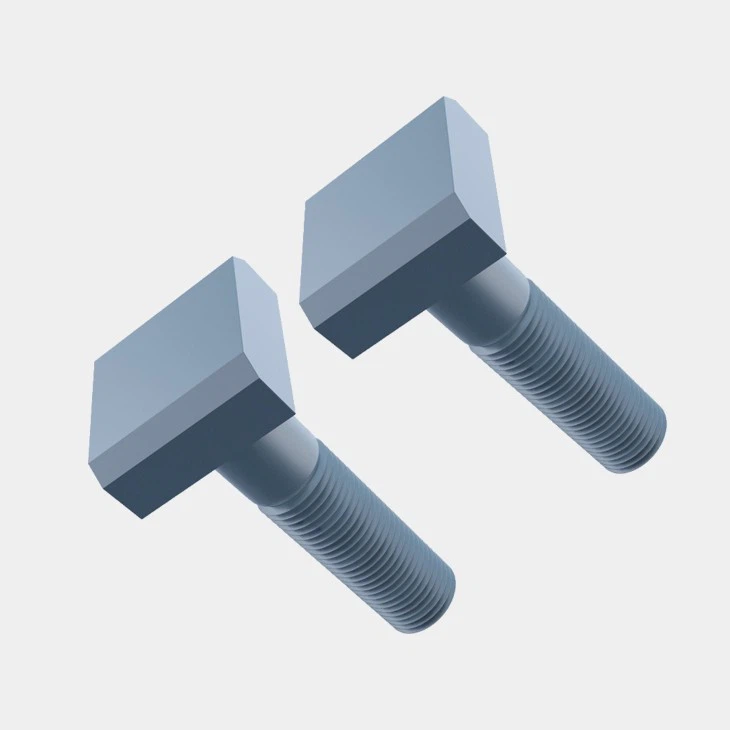
Before delving into the seating process, it's essential to understand what a tee head bolt is. A tee head bolt, also known as a T-Shaped Bolt, has a head that resembles the letter "T". This unique shape allows it to be inserted into a T - slot, which is a type of groove with a T - shaped cross - section. The head of the tee head bolt fits into the wider part of the T - slot, and then the bolt can be tightened against a surface. There are also variations such as T Head Screw and Square Head T Bolt, each with its own specific applications.
Pre - installation Checks
Inspection of the Bolt
The first step in ensuring a proper seat for the tee head bolt is to thoroughly inspect the bolt itself. Check for any visible signs of damage, such as cracks, burrs, or corrosion. A damaged bolt may not seat properly and can compromise the integrity of the entire assembly. Measure the dimensions of the bolt to ensure they match the specifications required for the application. This includes checking the diameter of the shank, the length of the bolt, and the size of the tee head.
Inspection of the T - slot
The T - slot where the tee head bolt will be inserted also needs careful inspection. The slot should be clean and free from any debris, dirt, or metal shavings. Even a small piece of debris can prevent the bolt from seating correctly. Measure the dimensions of the T - slot to ensure it is compatible with the tee head of the bolt. The width and depth of the slot should match the head dimensions of the bolt within the specified tolerances.
Installation Process
Insertion into the T - slot
Once the bolt and the T - slot have been inspected and deemed suitable, carefully insert the tee head of the bolt into the T - slot. Make sure the head is fully inserted and that it aligns properly with the slot. If the bolt is difficult to insert, do not force it. Instead, re - check the dimensions of the bolt and the slot to identify any potential issues.
Alignment with the Mounting Surface
After inserting the bolt into the T - slot, align it with the mounting surface. The shank of the bolt should be perpendicular to the surface to which it will be attached. This alignment is critical for ensuring that the bolt can be tightened evenly and that the load is distributed properly. Use a spirit level or other alignment tools to verify the perpendicularity of the bolt.
Tightening the Bolt
When tightening the tee head bolt, it's important to use the correct torque. Over - tightening can cause the bolt to stretch or break, while under - tightening can result in a loose connection. Refer to the manufacturer's specifications for the recommended torque value. Use a torque wrench to apply the appropriate amount of torque. Start by tightening the bolt gradually in a cross - pattern if multiple bolts are used. This helps to ensure even distribution of the load and proper seating of all the bolts.
Post - installation Checks
Visual Inspection
After tightening the bolt, conduct a visual inspection to ensure that the bolt is properly seated. The head of the bolt should be flush with the bottom of the T - slot, and there should be no visible gaps between the mounting surface and the washer or nut. Check for any signs of deformation or damage to the bolt or the surrounding components.
Functionality Test
Perform a functionality test of the structure or machinery where the tee head bolt is installed. This may involve applying a load to the assembly or operating the machinery to ensure that the bolt can withstand the expected forces without loosening or failing. If any issues are detected during the functionality test, immediately stop the operation and re - evaluate the seating of the bolt.
Troubleshooting
Bolt Not Seating Properly
If the bolt is not seating properly, there could be several reasons. As mentioned earlier, debris in the T - slot is a common cause. Clean the slot thoroughly and try inserting the bolt again. Another possible reason is an incorrect fit between the bolt and the slot. Check the dimensions of both the bolt and the slot and, if necessary, select a different size or type of bolt.

Loose Bolt after Installation
If the bolt becomes loose after installation, it may be due to insufficient torque during tightening. Re - tighten the bolt to the recommended torque value. In some cases, vibration can cause the bolt to loosen over time. To prevent this, consider using a locking mechanism such as a lock washer or a thread - locking compound.
Importance of Proper Seating
Proper seating of the tee head bolt is essential for several reasons. Firstly, it ensures the structural integrity of the assembly. A properly seated bolt can withstand the applied loads without failure, reducing the risk of accidents or breakdowns. Secondly, it helps to distribute the load evenly across the components, preventing premature wear and tear. Finally, a well - seated bolt enhances the overall performance and reliability of the machinery or structure.
Conclusion
As a tee head bolt supplier, we emphasize the importance of following these steps to ensure that your tee head bolts are properly seated. Whether you are using T - Shaped Bolt, T Head Screw, or Square Head T Bolt, proper installation techniques are crucial for optimal performance.
If you are in the market for high - quality tee head bolts and need further advice on installation and seating, we are here to assist you. Feel free to reach out to us for more information and to discuss your procurement needs. Our team of experts can provide you with detailed product specifications and installation guidance. Start your next project with confidence by choosing the right tee head bolts and ensuring they are properly seated.
References
- Machinery's Handbook, 31st Edition, Industrial Press Inc.
- ISO 4017:2018 - Hexagon head bolts, product grade C
- ANSI/ASME B18.2.1 - Squared and Hexagonal Bolts and Screws