

Do flat washers have any environmental impacts?
Nov 14, 2025
As a supplier of flat washers, I often get asked about the environmental impacts of these seemingly simple yet essential components. Flat washers are ubiquitous in various industries, from construction to automotive, and their widespread use naturally raises questions about their ecological footprint. In this blog post, I'll delve into the environmental aspects of flat washers, exploring both the negative and positive impacts they can have.
Negative Environmental Impacts of Flat Washers
Raw Material Extraction
The production of flat washers begins with the extraction of raw materials, primarily metals such as steel, stainless steel, and brass. Mining these metals has significant environmental consequences. For instance, the mining of iron ore, a key component in steel production, involves large - scale excavation that can lead to deforestation, soil erosion, and habitat destruction. The removal of topsoil and vegetation disrupts local ecosystems, affecting plant and animal species that rely on these habitats for survival.
Moreover, the extraction process consumes vast amounts of water and energy. Water is used for dust suppression, ore processing, and cooling in mining operations. In regions where water is scarce, this can exacerbate water shortages and lead to conflicts over water resources. Energy consumption, mainly in the form of fossil fuels, contributes to greenhouse gas emissions, which are a major driver of climate change.
Manufacturing Processes
Once the raw materials are extracted, they undergo various manufacturing processes to turn them into flat washers. These processes, such as forging, machining, and heat treatment, are energy - intensive. For example, forging involves heating the metal to high temperatures and then shaping it under pressure. This requires large amounts of energy, usually from coal, natural gas, or electricity generated from non - renewable sources.
In addition to energy consumption, manufacturing processes also generate waste. Machining operations produce metal shavings and chips, which, if not properly managed, can end up in landfills. Heat treatment processes may involve the use of chemicals, such as quenching oils and salts, which can be hazardous to the environment if not disposed of correctly. These chemicals can contaminate soil and water sources, posing risks to human health and the ecosystem.
Transportation
Flat washers are often transported over long distances from the manufacturing facilities to the end - users. This transportation, whether by road, rail, or sea, contributes to air pollution and greenhouse gas emissions. Trucks, which are commonly used for transporting small to medium - sized shipments of flat washers, emit pollutants such as nitrogen oxides, particulate matter, and carbon monoxide. These pollutants can have detrimental effects on air quality, leading to respiratory problems in humans and damage to plants and animals.
Positive Environmental Impacts of Flat Washers
Durability and Longevity
One of the positive aspects of flat washers is their durability. High - quality flat washers, especially those made from stainless steel or other corrosion - resistant materials, can last for a long time. This means that they do not need to be replaced frequently, reducing the demand for new raw materials and the associated environmental impacts of extraction and manufacturing. For example, a well - made stainless steel flat washer used in a building's structural components can remain in service for decades, minimizing the need for repeated production and disposal.
Recycling
Flat washers, being made of metal, are highly recyclable. Recycling metals requires significantly less energy compared to extracting and refining new metals from ore. For instance, recycling steel can save up to 75% of the energy required to produce new steel. When flat washers reach the end of their useful life, they can be collected, melted down, and reused to make new washers or other metal products. This not only conserves natural resources but also reduces waste sent to landfills.
Contribution to Energy - Efficient Systems
In some cases, flat washers play a crucial role in energy - efficient systems. For example, in the automotive industry, flat washers are used in engines and transmissions to ensure proper alignment and reduce friction. By reducing friction, these washers help improve the efficiency of the engine, leading to lower fuel consumption and fewer emissions. Similarly, in renewable energy systems such as wind turbines, flat washers are used to secure components, ensuring the smooth operation of the turbine and maximizing energy production.
Our Company's Efforts to Minimize Environmental Impact
As a flat washer supplier, we are committed to minimizing the environmental impact of our products. We source our raw materials from suppliers who adhere to strict environmental standards. This includes using recycled metals whenever possible to reduce the demand for newly mined materials.
In our manufacturing processes, we have invested in energy - efficient equipment and technologies. For example, we use advanced forging machines that consume less energy while maintaining high - quality production. We also have a comprehensive waste management system in place to ensure that all waste generated during the manufacturing process is properly recycled or disposed of.
We are also exploring ways to reduce the environmental impact of transportation. This includes optimizing our shipping routes and using more fuel - efficient vehicles. Additionally, we encourage our customers to recycle our flat washers at the end of their useful life to close the material loop.
Types of Flat Washers and Their Applications
We offer a wide range of flat washers to meet the diverse needs of our customers. Some of our popular products include Large Flat Metal Washers, which are ideal for heavy - duty applications where a large surface area is required to distribute load evenly. These washers are commonly used in construction projects, such as building bridges and high - rise buildings.
Standard Flat Washers are the most commonly used type of flat washers. They are suitable for a variety of applications, from household appliances to industrial machinery. Their simple design and versatility make them a popular choice among our customers.

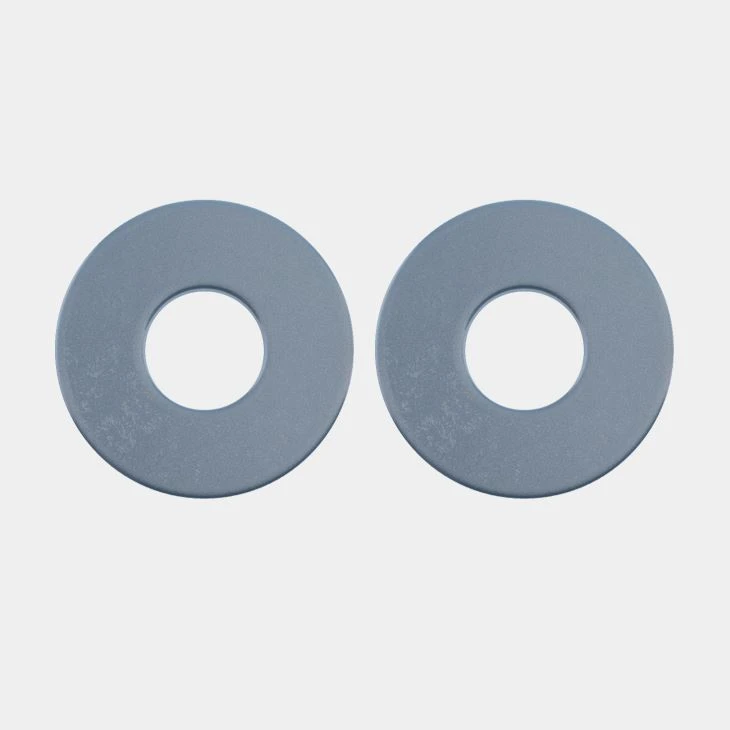
Plain Chamfered Washers have a chamfered edge, which helps prevent damage to the surface they are in contact with. These washers are often used in applications where a smooth and even surface is required, such as in precision machinery and electronics.
Contact Us for Your Flat Washer Needs
If you are in the market for high - quality flat washers, we would love to hear from you. Whether you have a small - scale project or a large - scale industrial application, our team of experts can help you find the right flat washers for your needs. We are committed to providing you with products that not only meet your technical requirements but also have a minimal environmental impact.
Contact us today to start a conversation about your flat washer procurement. We look forward to working with you to find sustainable solutions for your business.
References
- "Environmental Impacts of Metal Mining and Processing." United States Environmental Protection Agency.
- "Recycling Metals: An Energy - Efficient Solution." Institute of Scrap Recycling Industries.
- "Transportation and the Environment." International Energy Agency.