

Can spring washers be used in electrical applications?
Nov 25, 2025
Spring washers are widely recognized for their ability to provide a controlled amount of spring force, which can help maintain preload in a bolted joint, prevent loosening due to vibration, and compensate for thermal expansion and contraction. But can these versatile components be used in electrical applications? As a supplier of spring washers, I'm here to explore this question in detail.
Understanding Spring Washers
Before delving into their suitability for electrical applications, it's essential to understand what spring washers are. Spring washers are a type of fastener designed to create a spring force when compressed. They come in various types, each with its unique characteristics and applications.
One common type is the Wave Spring Washer for Bearing. This washer has a wave-like shape that provides a relatively low spring rate and a large deflection range. It's often used in applications where a small amount of axial play needs to be compensated, such as in bearings.
Another type is the Disk Spring Washer, also known as a Belleville washer. These washers are conical in shape and can provide a high spring force in a small space. They are typically used in applications where high loads and limited space are a concern, such as in heavy machinery.
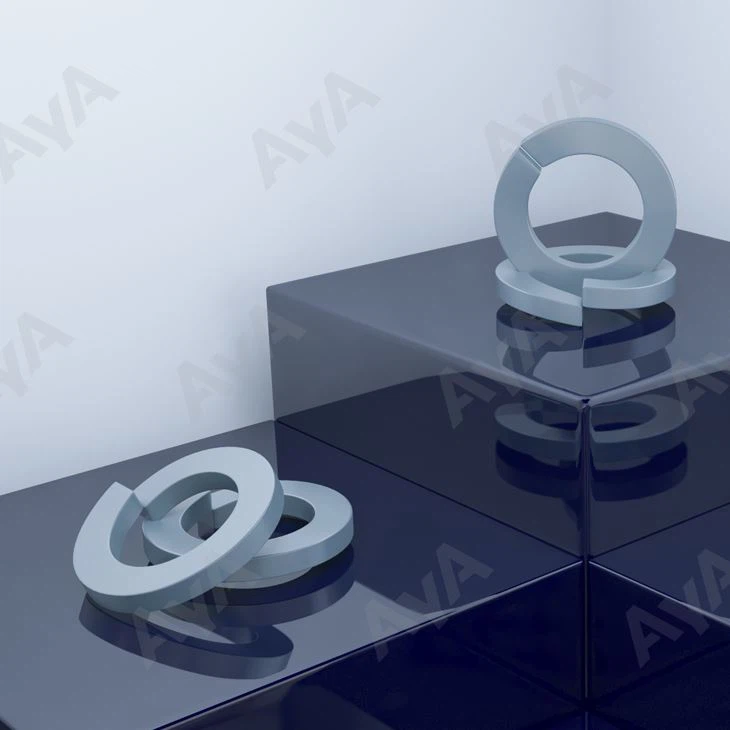
The Spring Steel Washer is a general-purpose spring washer made from spring steel. It offers a good balance of spring force and durability and is commonly used in a wide range of applications.

Electrical Applications and Requirements
Electrical applications have specific requirements that need to be considered when selecting components. These requirements include electrical conductivity, insulation, corrosion resistance, and the ability to withstand electrical arcing and high temperatures.
- Electrical Conductivity: In some electrical applications, components need to conduct electricity efficiently. For example, in a circuit breaker, the contacts need to have low resistance to ensure proper current flow. Spring washers used in such applications need to be made from materials with good electrical conductivity, such as copper or brass.
- Insulation: On the other hand, in applications where electrical insulation is required, spring washers need to be made from non-conductive materials. For example, in a high-voltage transformer, the insulation between different components is crucial to prevent electrical short circuits. Non-conductive spring washers made from materials like nylon or ceramic can be used in such applications.
- Corrosion Resistance: Electrical components are often exposed to various environmental conditions, including moisture and chemicals. Spring washers used in electrical applications need to be corrosion-resistant to ensure long-term reliability. Stainless steel is a popular choice for its excellent corrosion resistance.
- Arcing and High Temperatures: In some electrical applications, such as in switches and relays, arcing can occur when the contacts open and close. Spring washers need to be able to withstand the high temperatures generated by arcing without deforming or losing their spring properties.
Suitability of Spring Washers in Electrical Applications
Now, let's consider the suitability of spring washers in electrical applications based on the above requirements.
- Conductive Spring Washers: Spring washers made from conductive materials like copper or brass can be used in applications where electrical conductivity is required. For example, they can be used in electrical connectors to ensure a good electrical connection. These washers can help maintain the contact pressure between the connectors, reducing the resistance and improving the electrical performance.
- Insulating Spring Washers: Non-conductive spring washers made from materials like nylon or ceramic can be used in applications where electrical insulation is needed. They can be used to isolate different electrical components and prevent short circuits. For example, in a printed circuit board, insulating spring washers can be used to secure components while providing electrical insulation.
- Corrosion-Resistant Spring Washers: Stainless steel spring washers are an excellent choice for electrical applications where corrosion resistance is required. They can withstand exposure to moisture and chemicals without rusting or corroding, ensuring the long-term reliability of the electrical components.
- High-Temperature Spring Washers: Some spring washers are designed to withstand high temperatures. For example, spring washers made from high-temperature alloys can be used in applications where arcing or high temperatures are a concern. These washers can maintain their spring properties even under extreme conditions.
Advantages of Using Spring Washers in Electrical Applications
Using spring washers in electrical applications offers several advantages.
- Vibration Resistance: Spring washers can help prevent loosening due to vibration. In electrical equipment, vibration can cause bolts and screws to loosen over time, leading to poor electrical connections and potential safety hazards. Spring washers can maintain the preload on the fasteners, ensuring a secure connection.
- Compensation for Thermal Expansion: Electrical components can expand and contract due to temperature changes. Spring washers can compensate for this thermal expansion and contraction, maintaining the proper contact pressure between the components. This helps prevent electrical problems caused by loose connections.
- Space Saving: Some types of spring washers, such as disk spring washers, can provide a high spring force in a small space. This makes them suitable for use in electrical applications where space is limited.
Considerations When Using Spring Washers in Electrical Applications
While spring washers can be used in electrical applications, there are some considerations to keep in mind.
- Material Selection: The choice of material for the spring washer depends on the specific requirements of the electrical application. It's important to select a material that meets the electrical conductivity, insulation, corrosion resistance, and temperature requirements.
- Design and Installation: The design and installation of the spring washer also play a crucial role in its performance. The washer needs to be properly sized and installed to ensure that it provides the required spring force and maintains the contact pressure.
- Compatibility with Other Components: Spring washers need to be compatible with other components in the electrical system. For example, the material of the washer should not react with the materials of the contacts or the housing.
Conclusion
In conclusion, spring washers can be used in electrical applications, provided that the appropriate type and material are selected based on the specific requirements of the application. As a supplier of spring washers, I offer a wide range of products that can meet the diverse needs of electrical applications. Whether you need conductive, insulating, corrosion-resistant, or high-temperature spring washers, I can provide you with the right solution.
If you're interested in learning more about our spring washers or have specific requirements for your electrical applications, I encourage you to contact me for a detailed discussion. We can work together to select the most suitable spring washers for your project and ensure its success.
References
- "Fasteners and Their Application" by J. H. Bickford
- "Electrical Engineering Handbook" edited by Richard C. Dorf