

Can lock washers be used in high - pressure applications?
Dec 22, 2025
When it comes to high - pressure applications, engineers and technicians are constantly on the lookout for reliable fasteners that can withstand extreme forces and vibrations. One such component that often sparks debate is the lock washer. As a lock washer supplier, I am frequently asked whether lock washers can be effectively used in high - pressure applications. In this blog, we'll delve into the science behind lock washers, their performance in high - pressure scenarios, and the types that are most suitable.
Understanding Lock Washers
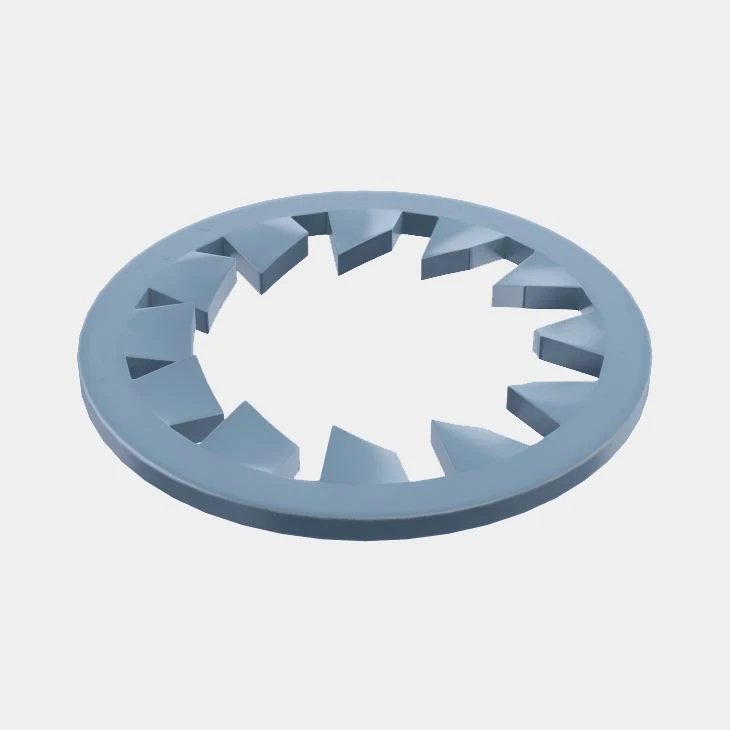
Lock washers are mechanical devices designed to prevent nuts and bolts from loosening due to vibration, rotation, or other dynamic forces. They come in various types, each with its own unique design and functionality. Some of the common types include split washers, External Tooth Washer, Lock Washer With Teeth, and Double Lock Washer.
The basic principle behind a lock washer is to create a spring - like tension between the nut or bolt head and the surface it is fastened against. This tension increases the friction, making it more difficult for the fastener to rotate and loosen. However, the effectiveness of a lock washer in high - pressure applications depends on several factors.

Factors Affecting the Use of Lock Washers in High - Pressure Applications
Material Strength
The material of the lock washer plays a crucial role in high - pressure applications. High - pressure environments often subject fasteners to significant stress, and the lock washer must be made of a material that can withstand this stress without deforming or breaking. Common materials for lock washers include steel, stainless steel, and alloy steel. Steel lock washers are strong and cost - effective, but they may be prone to corrosion. Stainless steel lock washers offer better corrosion resistance, while alloy steel lock washers can provide enhanced strength and durability.
Design and Geometry
The design and geometry of the lock washer also impact its performance in high - pressure applications. For example, split washers, which have a split in the circumference, rely on the spring action created by the split to generate tension. However, in high - pressure situations, the split in the washer may cause uneven stress distribution, leading to premature failure. On the other hand, External Tooth Washer and Lock Washer With Teeth use teeth to bite into the mating surfaces, providing a more positive locking mechanism. These types of washers can be more effective in high - pressure applications as they can better resist rotation.
Installation Torque
Proper installation torque is essential for the effective use of lock washers in high - pressure applications. If the torque is too low, the lock washer may not generate enough tension to prevent loosening. Conversely, if the torque is too high, it can cause the lock washer to deform or even break, reducing its effectiveness. It is important to follow the manufacturer's recommendations for installation torque to ensure optimal performance.
Types of Lock Washers Suitable for High - Pressure Applications
Double Lock Washer
Double lock washers are designed with two sets of teeth or locking features. This design provides a more secure locking mechanism compared to single - action lock washers. In high - pressure applications, the double locking action helps to maintain the integrity of the fastener connection by resisting both rotation and vibration. The teeth on the double lock washer dig into the surfaces of the nut or bolt head and the mating surface, creating a strong grip that can withstand high - pressure forces.
Lock Washer With Teeth
As mentioned earlier, lock washers with teeth are effective in high - pressure applications because of their positive locking mechanism. The teeth on the washer bite into the mating surfaces, preventing the fastener from rotating. These washers are available in different tooth configurations, such as external teeth, internal teeth, or a combination of both. The choice of tooth configuration depends on the specific requirements of the application.
External Tooth Washer
External tooth washers have teeth on the outer circumference. They are particularly useful in applications where the outer surface of the fastener needs to be locked. In high - pressure situations, the external teeth can grip the surface firmly, providing a reliable locking solution. These washers are often used in machinery, automotive, and aerospace applications where high - pressure and vibration are common.
Case Studies and Real - World Applications
To illustrate the effectiveness of lock washers in high - pressure applications, let's look at some real - world examples.
In the automotive industry, high - pressure engines require reliable fasteners to ensure the proper functioning of various components. Lock washers, especially those with teeth, are used to secure critical parts such as cylinder head bolts. The high - pressure environment inside the engine can cause the bolts to loosen over time due to vibration and thermal expansion. By using lock washers, the risk of bolt loosening is significantly reduced, improving the overall reliability and safety of the engine.
In the aerospace industry, where safety is of utmost importance, lock washers are used in high - pressure hydraulic systems. These systems operate under extreme pressure and vibration, and the fasteners must remain secure to prevent leaks and system failures. Double lock washers and External Tooth Washer are commonly used in these applications to provide a reliable locking solution.
Limitations of Lock Washers in High - Pressure Applications
While lock washers can be effective in high - pressure applications, they do have some limitations. In extremely high - pressure environments, the forces acting on the fastener may be so great that even the best - designed lock washer may not be able to prevent loosening. In such cases, additional locking methods, such as thread - locking adhesives or mechanical locking devices, may be required.
Another limitation is that lock washers may not be suitable for applications where the mating surfaces are soft or easily damaged. The teeth on the lock washer can cause damage to the surface, which may affect the overall performance of the fastener connection.
Conclusion
In conclusion, lock washers can be used in high - pressure applications, but their effectiveness depends on several factors, including material strength, design and geometry, and proper installation. Double Lock Washer, Lock Washer With Teeth, and External Tooth Washer are among the types that are most suitable for high - pressure situations. However, it is important to carefully consider the specific requirements of the application and choose the appropriate lock washer accordingly.
If you are in need of lock washers for high - pressure applications, we, as a professional lock washer supplier, can provide you with a wide range of high - quality lock washers. Our products are designed and manufactured to meet the highest standards of quality and performance. We can also offer technical support and advice to help you select the most suitable lock washer for your specific needs. Please feel free to contact us for more information and to start a procurement discussion.
References
- "Mechanical Fasteners Handbook" by John H. Bickford
- "Fasteners and Fixings: A Practical Guide" by David A. Scivally
- Industry standards and guidelines for high - pressure fasteners