

Can lock washers be used in DIY projects?
Dec 10, 2025
Hey there, DIY enthusiasts! If you're knee - deep in home improvement or crafting your own gadgets, you've probably wondered about using lock washers in your projects. As a lock washers supplier, I'm here to share everything you need to know to decide if these little mechanical wonders are a good fit for your DIY adventures.
What Are Lock Washers?
First off, let's break down what lock washers are. Lock washers are a type of fastener accessory designed to prevent nuts and bolts from loosening due to vibration, rotation, or other mechanical forces. There are several types, each with its unique features and applications.
One common type is the Lock Washer With Teeth. These washers have small teeth or ridges that bite into the surface of the nut, bolt head, or the material they're attached to. This biting action creates friction, making it harder for the fastener to turn and come loose.

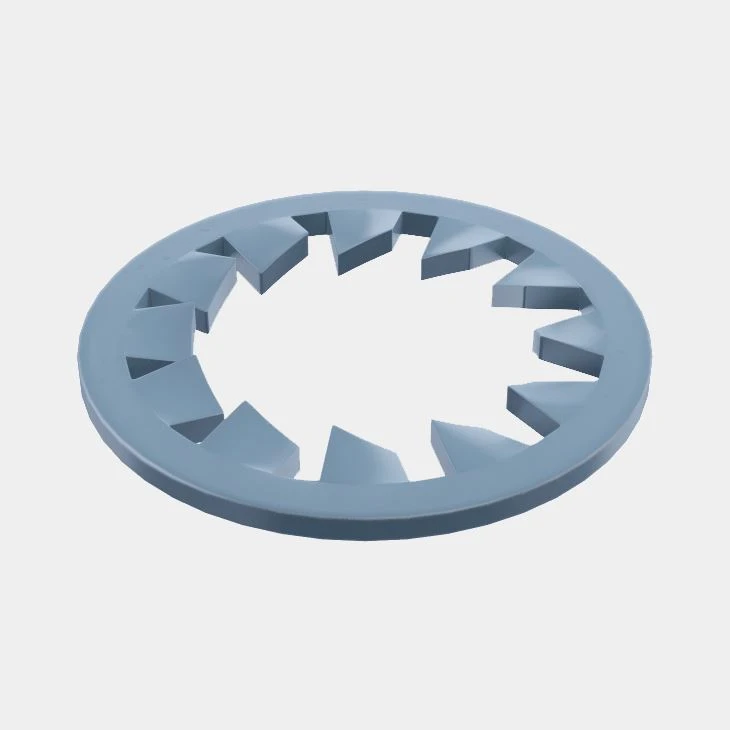
Another popular option is the External Tooth Washer. As the name suggests, the teeth on these washers are on the outside edge. They work well in applications where you need to distribute the load over a larger area and also prevent rotation.
Then there's the Tooth Type Lock Washer, which is a generic term that encompasses various designs with teeth for locking purposes. They're versatile and can be used in a wide range of DIY projects.
Benefits of Using Lock Washers in DIY Projects
- Enhanced Safety: In any DIY project, safety is paramount. Lock washers help keep your fasteners tight, reducing the risk of parts coming loose. For example, if you're building a piece of furniture, loose bolts can cause the structure to wobble or even collapse. Using lock washers adds an extra layer of security.
- Long - Term Durability: Vibration is one of the biggest enemies of fasteners. Over time, continuous vibration can cause nuts and bolts to loosen up. Lock washers counteract this by maintaining the necessary tension, ensuring your project stays together for a long time. Whether it's a bike repair or a home - built bookshelf, lock washers can extend the lifespan of your creation.
- Cost - Effective Solution: Buying lock washers is a relatively inexpensive way to improve the quality of your DIY projects. They're available in a wide range of sizes and materials, so you can find the right ones for your budget and requirements. Instead of having to constantly tighten loose fasteners or replace parts due to failure, a simple lock washer can save you time and money in the long run.
When to Use Lock Washers in DIY
- High - Vibration Environments: If your DIY project is going to be in an area with a lot of vibration, like a machine you're building or a vehicle accessory, lock washers are a must. The constant shaking can quickly cause regular fasteners to come loose, but lock washers will keep them in place.
- Critical Joints: For joints that are crucial to the overall stability of your project, such as the connections in a ladder or a swing set, using lock washers is a smart move. These joints need to be secure to prevent accidents and ensure the proper functioning of the structure.
- Outdoor Projects: Exposure to the elements can cause fasteners to corrode and loosen over time. Lock washers can help maintain the integrity of outdoor projects like garden furniture, sheds, or even a treehouse. They'll keep the nuts and bolts tight, even in the face of rain, wind, and temperature changes.
How to Choose the Right Lock Washers for Your DIY Project
- Size Matters: Make sure you select lock washers that are the right size for your nuts and bolts. If the washer is too small, it won't provide enough support, and if it's too large, it may not fit properly. You can usually find the appropriate size by referring to the specifications of your fasteners.
- Material Selection: Lock washers come in different materials, such as steel, stainless steel, and brass. Steel washers are strong and affordable, but they may rust if used in wet environments. Stainless steel washers are corrosion - resistant, making them ideal for outdoor or marine projects. Brass washers are non - magnetic and have good electrical conductivity, so they're suitable for electrical DIY projects.
- Type of Locking Mechanism: Consider the type of locking mechanism you need based on your project. If you need a high - friction locking solution, a tooth - type lock washer may be the best choice. For applications where you need to distribute the load evenly, an external tooth washer could be more appropriate.
Potential Drawbacks of Using Lock Washers in DIY
- Installation Complexity: Some lock washers, especially those with teeth, can be a bit tricky to install. You need to make sure the teeth are properly aligned and seated to ensure effective locking. If not installed correctly, they may not work as intended.
- Surface Damage: The teeth on lock washers can sometimes damage the surface of the material they're in contact with. This may not be a big issue for rough or industrial - looking projects, but it can be a concern if you're working on something with a finished or delicate surface.
Tips for Using Lock Washers in DIY Projects
- Clean the Surfaces: Before installing lock washers, make sure the surfaces of the nuts, bolts, and the material are clean. This will help the lock washers grip better and prevent corrosion.
- Use the Right Tools: Use the appropriate tools for tightening the fasteners. Over - tightening or under - tightening can affect the performance of the lock washers. A torque wrench can be very helpful in achieving the correct tightening force.
Contact Us for Your Lock Washer Needs
If you're convinced that lock washers are a great addition to your DIY projects and you're looking for high - quality lock washers, we're here to help. As a leading lock washer supplier, we offer a wide range of lock washers, including Lock Washer With Teeth, External Tooth Washer, and Tooth Type Lock Washer. Contact us to discuss your specific requirements and get the best lock washers for your next DIY adventure.
References
- Machinery's Handbook, 31st Edition
- Fasteners and Fixings Handbook by Chris Beeby