

Are set screws environmentally friendly?
Dec 30, 2025
As a supplier of set screws, I've always been intrigued by the intersection of industrial products and environmental concerns. In recent years, the growing emphasis on sustainability has prompted many businesses and consumers to question the environmental impact of the products they use. Set screws, which are essential in various industries for securing components, are no exception. In this blog, we'll delve into the question: Are set screws environmentally friendly?

Manufacturing Processes and Environmental Impact
The production of set screws involves several manufacturing processes, each with its own environmental footprint. Generally, set screws start their life as raw materials, typically metals like steel, stainless steel, or brass. The extraction of these raw materials can have significant environmental consequences. Mining operations often consume large amounts of energy, contribute to habitat destruction, and generate substantial waste. For instance, iron ore mining, a primary source for steel production, requires significant land clearance and water usage, potentially leading to soil erosion and water pollution.
Once the raw materials are obtained, they undergo processing to transform them into set screws. This includes processes like forging, machining, and heat - treating. Forging involves shaping the metal by applying force, which requires a large amount of energy, usually sourced from fossil fuels in many industrial settings. Machining operations, such as turning and milling, generate metal chips and waste, which can be difficult to recycle if not properly managed. Heat - treating is another energy - intensive process that can release pollutants into the atmosphere if the heating equipment is not well - maintained or if it uses non - clean energy sources.
However, advancements in manufacturing technologies are gradually reducing the environmental impact of set screw production. Some modern forging techniques use electric - powered presses, which are more energy - efficient and produce fewer emissions compared to traditional fossil - fuel - powered ones. Additionally, the implementation of precision machining technologies reduces waste generation by minimizing the amount of excess material removed during the machining process.
Material Selection and Its Environmental Consequences
The choice of material for set screws plays a crucial role in their environmental friendliness. Steel is one of the most commonly used materials for set screws due to its high strength and relatively low cost. However, the production of steel is energy - intensive and generates a significant amount of greenhouse gas emissions. On the other hand, stainless steel offers better corrosion resistance, which can extend the lifespan of set screws, reducing the need for frequent replacements. But the production of stainless steel also requires more complex processes and additional alloying elements, increasing its overall environmental impact.
Brass set screws are another option. Brass is an alloy of copper and zinc, and its production has a different environmental profile. Copper mining can have significant environmental impacts similar to iron ore mining. However, brass is highly recyclable, and recycled brass can be used to produce new set screws, reducing the demand for virgin materials.
Recycling and Reusability of Set Screws
One of the key factors in determining the environmental friendliness of set screws is their recyclability and reusability. Most set screws made from metals like steel, stainless steel, and brass are recyclable. When set screws reach the end of their useful life, they can be collected and sent to recycling facilities, where they are melted down and used to produce new metal products. This not only conserves natural resources but also reduces the energy required for new metal production.
In some cases, set screws can be reused. For example, if a component needs to be disassembled and reassembled, and the set screws are in good condition, they can simply be reinstalled. This effectively extends the life cycle of the set screws and reduces waste. However, it's important to note that reusing set screws may not always be feasible, especially if they have been damaged or if they have been subject to extreme conditions that could affect their integrity.
Comparing Different Types of Set Screws
There are various types of set screws available in the market, each with its own characteristics and potential environmental impacts.
-
Cup Point Set Screw: Cup Point Set Screw are designed with a cup - shaped indentation at the end, which helps grip the mating surface. These screws are commonly used in applications where a secure grip is required. From an environmental perspective, their production follows similar processes as other set screws. However, if they are made from high - quality recyclable materials, they can contribute to a circular economy.
-
Socket Head Set Screw: Socket Head Set Screw feature a socket in the head, which allows for easy installation and removal using an Allen wrench. The manufacturing of these screws may involve more precise machining operations, which could potentially generate more waste if not optimized. But again, their recyclability can offset some of these negative impacts.
-
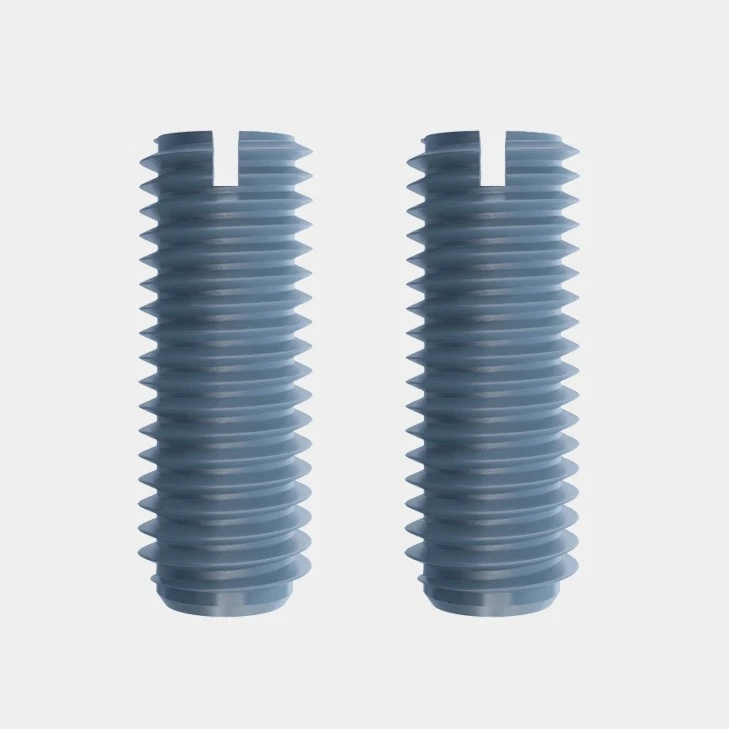
Slotted Grub Screws: Slotted Grub Screws have a slot on the head for a flat - head screwdriver. They are a simpler design and may require less complex manufacturing processes compared to some other types. This can result in lower energy consumption during production. And like other set screws, if they are made from recyclable materials, they can be part of a sustainable solution.
Supplier - Driven Initiatives for Environmental Sustainability
As a set screw supplier, we are committed to reducing the environmental impact of our products. We work with our raw material suppliers to source materials from sustainable mines and ensure that the extraction processes are as environmentally friendly as possible. In our manufacturing facilities, we invest in energy - efficient equipment and technologies to reduce energy consumption and emissions.
We also have a waste management program in place to handle the metal chips and waste generated during the production process. This includes recycling the waste materials and minimizing the amount of waste sent to landfills. Additionally, we provide our customers with information on how to properly recycle and reuse our set screws to extend their life cycle.
Conclusion and Call to Action
So, are set screws environmentally friendly? The answer is not a simple yes or no. While the production and use of set screws do have some environmental impacts, there are many ways in which these impacts can be mitigated. Through sustainable manufacturing practices, careful material selection, and promoting recycling and reusability, set screws can be part of a more environmentally friendly solution.
If you're in the market for high - quality set screws and are also concerned about environmental sustainability, we'd love to have a conversation with you. Our team can provide you with detailed information about our products' environmental profiles and how we're working to reduce our carbon footprint. Contact us to start a procurement discussion and find the best set screw solutions for your needs.
References
- "The Environmental Impact of Metal Production", Journal of Sustainable Manufacturing, 2020
- "Recycling and Reuse of Industrial Fasteners", International Journal of Recycling, 2021
- "Advances in Energy - Efficient Manufacturing Technologies", Manufacturing Technology Review, 2019