

Are hex bolts corrosion - resistant?
Dec 25, 2025
Are hex bolts corrosion-resistant? That's a question I, as a hex bolts supplier, get asked quite a lot. You know, when it comes to construction, machinery, or any project that needs bolts, corrosion can be a real pain in the neck. It can weaken the bolts, lead to structural issues, and cost a fortune in repairs and replacements. So, let's dig into this topic and see if hex bolts can stand up to the test of corrosion.
First off, what are hex bolts? Well, they're those bolts with a hexagonal head that you've probably seen in countless projects. They're super common because they're easy to grip with a wrench or socket, making them a go-to choice for all sorts of applications. But can they resist corrosion? Well, it depends.
The corrosion resistance of hex bolts has a lot to do with the material they're made from. Some of the most common materials for hex bolts are carbon steel, stainless steel, and alloy steel.
Carbon steel hex bolts are pretty popular because they're affordable and strong. But here's the deal: carbon steel isn't naturally corrosion-resistant. It's prone to rusting when it comes into contact with moisture and oxygen. That doesn't mean you can't use them in situations where corrosion might be an issue, though. You can protect carbon steel hex bolts with different surface treatments.
One of these treatments is galvanization. Galvanized hex bolts are coated with a layer of zinc, which acts as a sacrificial anode. This means that the zinc corrodes instead of the steel, protecting the bolt beneath. Another option is Black Oxide Hex Bolts. The black oxide coating not only gives the bolts a nice, sleek look but also provides some level of corrosion resistance. It's a thin layer that helps to slow down the oxidation process.
Stainless steel hex bolts, on the other hand, are a great choice for applications where corrosion is a major concern. Stainless steel contains chromium, which forms a thin, invisible layer of chromium oxide on the surface of the bolt. This layer is self-healing, meaning that if it gets damaged, it can reform as long as there's oxygen present. As a result, stainless steel hex bolts can withstand exposure to moisture, chemicals, and even saltwater without corroding easily. They're often used in marine environments, food processing plants, and outdoor structures.
Alloy steel hex bolts are another option. These bolts are made by adding other elements like nickel, chromium, or molybdenum to the steel. The addition of these elements can enhance the strength and corrosion resistance of the bolts. Alloy steel hex bolts are commonly used in high-stress applications where both strength and corrosion resistance are required.
Now, let's talk about the environment in which the hex bolts will be used. If you're using them indoors in a dry environment, the risk of corrosion is relatively low. In this case, carbon steel hex bolts with a basic coating might be sufficient. However, if the bolts will be exposed to harsh conditions like high humidity, extreme temperatures, or corrosive chemicals, you'll need to choose a more corrosion-resistant option.
For example, in a coastal area where the air is salty, stainless steel hex bolts are a must. The salt in the air can accelerate the corrosion process, and regular carbon steel bolts would rust quickly. Similarly, if you're using hex bolts in a chemical plant, you need to make sure they're made from a material that can withstand the specific chemicals present.

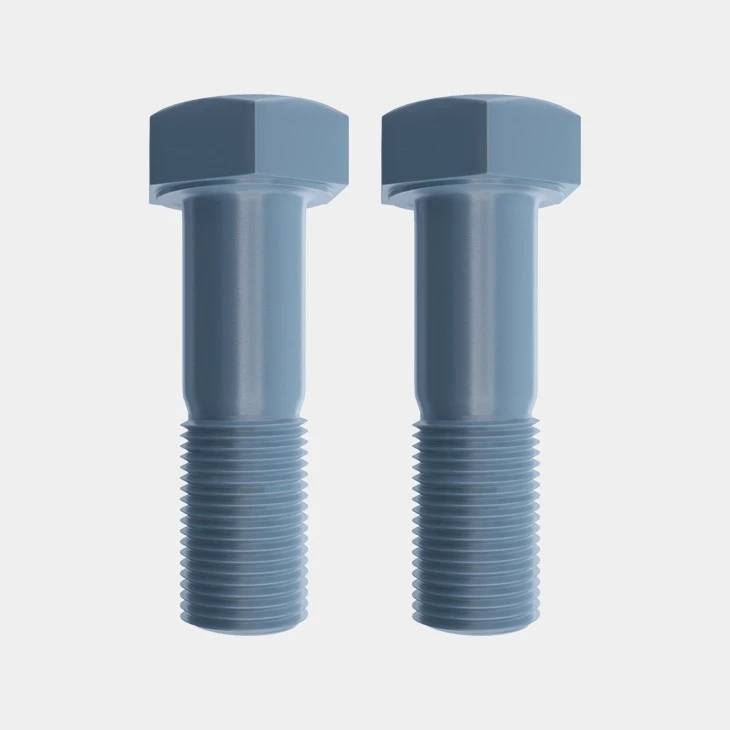
The thread type of the hex bolt can also play a role in its corrosion resistance. Coarse Thread Hex Bolt and Hex Bolt Partial Thread have different characteristics. Coarse threads are generally stronger and can provide better grip, but they can also trap moisture and debris more easily, which can potentially lead to corrosion. Partial thread hex bolts, on the other hand, have less surface area in contact with the material they're screwed into, which might reduce the chances of corrosion in some cases.
So, to answer the question “Are hex bolts corrosion-resistant?”, it's not a simple yes or no. Some hex bolts can be highly corrosion-resistant, while others might need extra protection depending on the material and the environment. As a hex bolts supplier, I always recommend assessing your specific needs before making a decision.
If you're in the market for hex bolts and want to find the best option for your project, give me a shout. We've got a wide range of hex bolts made from different materials and with various surface treatments. Whether you need carbon steel bolts for a low-cost indoor project or stainless steel bolts for a harsh outdoor environment, we've got you covered. Let's get together and figure out the perfect bolts for your needs.
References
- "Materials Science and Engineering: An Introduction," Ninth Edition, William D. Callister Jr. and David G. Rethwisch
- American Society for Testing and Materials (ASTM) Standards for Bolts and Fasteners
- "Corrosion Engineering Principles and Practice," Second Edition, Pierre R. Roberge